


Renewable Energy Project Camp Planning Guide
Plan workforce camps for wind, solar, BESS and grid projects, covering capacity, utilities, logistics, procurement, phasing, downsizing and reuse.

Plan workforce camps for wind, solar, BESS and grid projects, covering capacity, utilities, logistics, procurement, phasing, downsizing and reuse.

Learn what a preliminary camp layout can support at quote stage, what requires final engineering, and which documents must be controlled before execution.

Use this workforce camp buying checklist to verify suppliers, normalize bids, define technical and delivery responsibilities, and reduce procurement risk.

Learn which project, workforce, facility, site, utility, logistics, scope and schedule inputs suppliers need to prepare a useful workforce camp proposal.

Use a complete remote camp facilities checklist to define accommodation, dining, offices, laundry, medical support, utilities, interfaces and phased expansion.

Compare single, double and shared project-camp rooms by workforce role, shifts, privacy, bathrooms, utilities, site area and expansion needs.

Plan the worker housing, project offices, welfare facilities, utilities and readiness gates that must be operational before construction crews mobilize.

Size the first operational camp phase by translating resident groups into assignable accommodation, matched support buildings, and workable expansion interfaces.

Compare local rental, local site construction and purchased prefabricated facilities against the same capacity, operating period, readiness date and exit plan before selecting a procurement route.
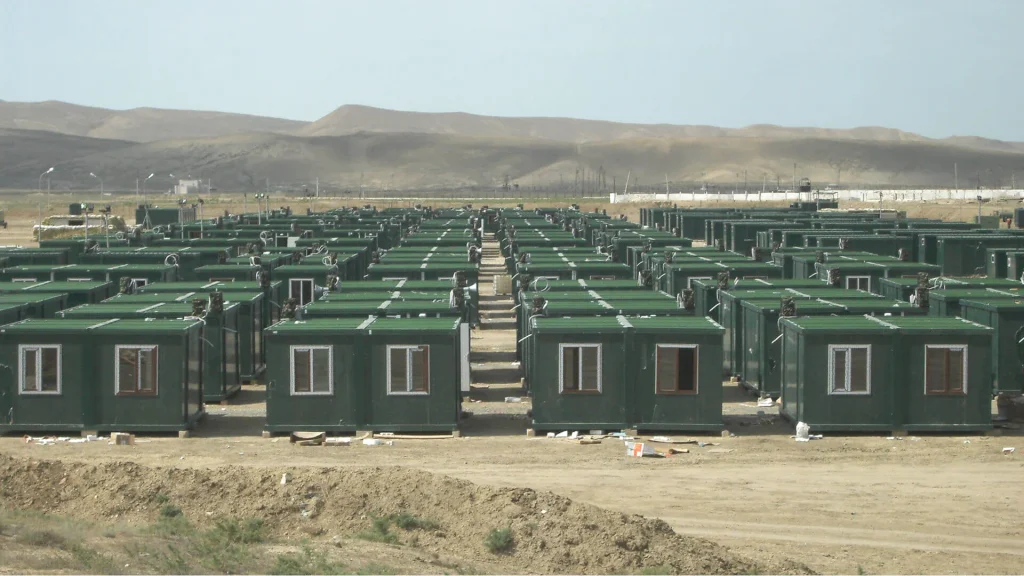
Summary The most important remote workforce camp planning risks appear long before installation, because the most critical decisions are made
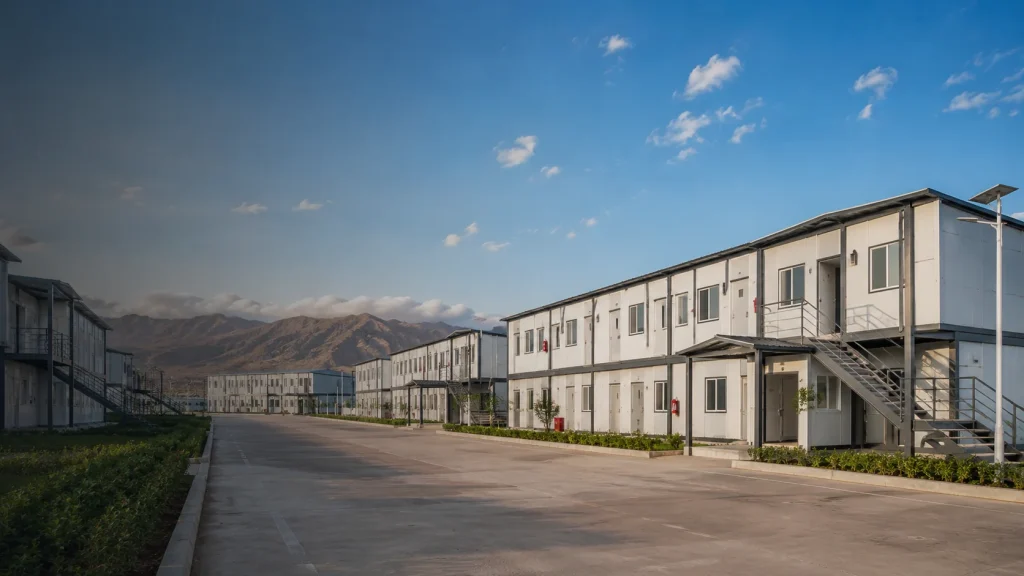
A remote project may begin with a small team of surveyors, geologists or civil engineers. Within a year, the same
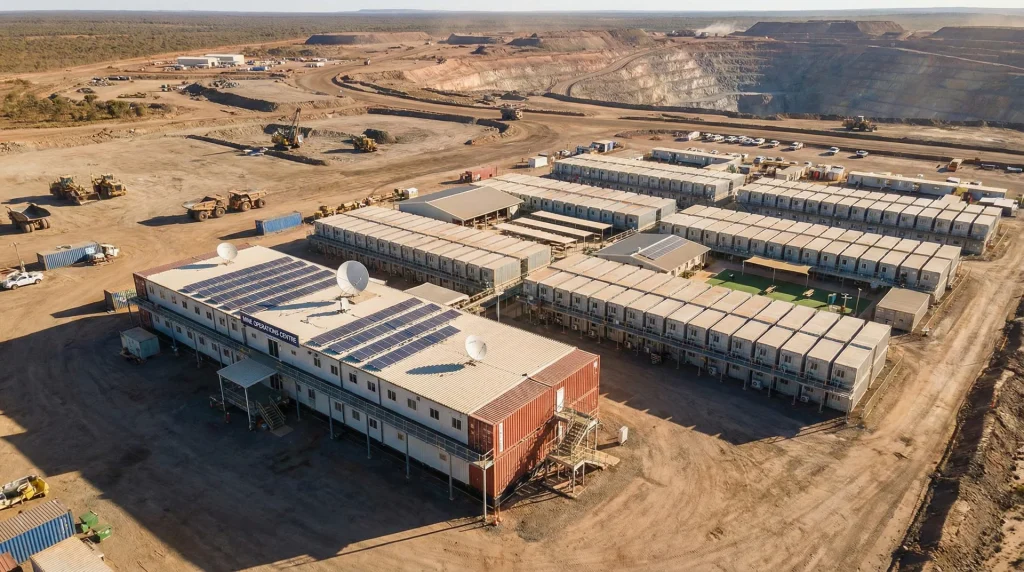
A large mine, energy facility, railway, pipeline or infrastructure project may be located hundreds of kilometres from the nearest city.