


A workforce camp should not be awarded because one bidder presents the lowest module price, the shortest headline lead time or the most polished layout. The decisive question is whether the proposed supplier, technical solution, commercial scope and delivery model can produce an operable camp at the required location, under the required standards, by the required occupancy date.
This workforce camp buying checklist helps project owners, EPC contractors, engineering consultants and procurement teams compare offers on a controlled basis. It focuses on what must be verified before selection and award: supplier identity, engineering accountability, technical compliance, quality evidence, production readiness, logistics, installation interfaces, handover obligations and warranty recovery.
The main conclusion is simple: camp bids become commercially comparable only after the buyer has fixed the procurement baseline and normalized every bidder’s inclusions, exclusions, assumptions and responsibility boundaries. A lower price may reflect genuine manufacturing efficiency, but it may also exclude engineering, packing, freight, customs support, unloading, foundations, utilities, installation equipment, testing or local approval work.
Apply this evaluation to the project context: mining accommodation configuration or oil and gas workforce accommodation. For cross-industry camps, use the workforce accommodation solution; for wind, solar and related energy workfronts, use the renewable project camp solution.
Summary
An effective workforce camp buying checklist begins with a common bid basis. Every supplier should price the same peak resident capacity, building schedule, room types, facility scope, technical standards, destination, delivery basis, installation boundary and target completion condition. Without that baseline, procurement teams may be comparing different projects rather than competing solutions.
Supplier qualification must distinguish the legal contracting entity from the factory, design organization, exporter, local contractor and warranty administrator. These roles can sit within one company or across several companies. Either model can work, provided responsibility is disclosed, technically credible and contractually enforceable.
Technical acceptance should rely on controlled project documents rather than brochures or general claims of compliance. A serious award review normally examines the compliance schedule, design-responsibility matrix, bill of materials, deviation register, quality plan, inspection and test plan, production program, packing plan, installation matrix and handover index.
Logistics and installation must be treated as engineering interfaces. The selected Incoterms rule can define important delivery, cost and risk obligations, but it does not replace a project-specific allocation of responsibility for route access, customs documents, unloading, cranes, laydown, foundations, utilities, assembly, testing and local approvals.
This checklist supports commercial and technical due diligence. It does not replace project-specific legal advice, structural or fire engineering, local professional certification, environmental review or authority approval.
Fix the Procurement Baseline Before Evaluating Camp Suppliers
The buyer should establish an approved bid-comparison basis before comparing prices. This is related to, but different from, the information used to request an initial proposal.
The Workforce Camp Proposal Requirements guide explains what project information suppliers need to prepare a proposal. This buying guide addresses the next decision: whether the resulting offer is sufficiently complete, credible and controlled for award.
The bid basis should define:
- Peak simultaneous resident capacity.
- Room types and occupancy rules.
- Required accommodation and support buildings.
- Building and room schedule.
- Design life and relocation expectations.
- Site climate and environmental conditions.
- Applicable structural, fire, accessibility, electrical, plumbing and client requirements.
- Delivery destination and delivery basis.
- Foundation, utility and civil-work interfaces.
- Installation, testing, training and handover scope.
- Target occupancy date and sectional completion requirements.
The Remote Camp Facilities Checklist can help confirm whether the facility schedule covers operational functions such as dining, laundry, medical support, administration, security, storage and utilities, rather than sleeping capacity alone.
Worker accommodation requirements must also be checked against local law and the project’s environmental, social, health and safety obligations. The joint IFC and EBRD guidance on workers’ accommodation addresses location, water, sanitation, ventilation, fire safety, food services, medical facilities and camp management while making clear that applicable national and local requirements remain fundamental.
A supplier’s preliminary statement may be sufficient for early screening when assumptions and exclusions are clearly declared. Final award may still require review by the owner’s engineer, a locally registered professional, the fire authority, the planning authority or another competent body.
Workforce Camp Buying Checklist: Supplier-Evaluation Matrix
The following matrix converts general due diligence into procurement decisions. “Clarify” does not mean that the supplier has failed; it means the answer is not yet sufficiently defined for contract award.
| Check area | Evidence to request | Main responsible interface | Pass, clarify or red-flag logic | Risk if unresolved |
|---|---|---|---|---|
| Contracting identity | Business registration, contracting name, payment entity, exporter role and proposed subcontractors | Procurement and commercial teams | Pass: entities and roles align. Clarify: related companies are documented. Red flag: quotation, contract and payment entities cannot be reconciled | Payment, tax, enforcement, customs and warranty disputes |
| Manufacturer identity | Factory location, production scope, ownership or supply relationship, audit access and current production evidence | Supplier and QA team | Pass: production source is disclosed. Clarify: subcontracting is controlled. Red flag: manufacturing source changes or cannot be verified | Reduced QA visibility, schedule control and traceability |
| Relevant capability | Comparable project records, scope descriptions, photographs, references and acceptance evidence where available | Technical and procurement teams | Pass: evidence matches the proposed complexity. Clarify: capability depends on named partners. Red flag: references are unrelated or unverifiable | Award based on presentation rather than demonstrated capability |
| Engineering responsibility | Design matrix, organization chart, calculation scope, qualifications and approval route | Owner’s engineer and supplier designer | Pass: design owner and reviewer are defined. Clarify: local adaptation remains open. Red flag: no party accepts calculation or code responsibility | Approval delay, redesign, unsafe interfaces and liability gaps |
| Technical compliance | Clause-by-clause compliance schedule, specifications, drawings and deviation register | Owner’s engineer | Pass: compliance and deviations are explicit. Clarify: identified details remain under design development. Red flag: only brochure-level statements are provided | Hidden non-compliance and post-award scope growth |
| Materials and substitutions | Controlled bill of materials, data sheets, certificates and substitution procedure | Supplier engineering, procurement and QA | Pass: materials are identifiable and substitutions require approval. Clarify: equivalent products are proposed against defined criteria. Red flag: unrestricted substitution language | Reduced fire, corrosion, thermal or maintenance performance |
| Quality planning | Project quality plan, ITP, hold points, inspection records, NCR process and traceability method | Buyer and supplier QA/QC teams | Pass: controls match project risks. Clarify: final ITP follows approved design. Red flag: certification is offered instead of project controls | Defects remain undetected until shipment or installation |
| Production readiness | Production workflow, subcontracted work, resource plan, procurement schedule and milestone program | Project controls and QA teams | Pass: schedule is supported by resources and dependencies. Clarify: capacity is shared with other orders. Red flag: completion dates lack material and approval logic | Late production, rushed inspection and missed shipment windows |
| Packing and loading | Packaging specification, package list, markings, weights, loading plan and securing method | Logistics and supplier engineering | Pass: packages map to buildings and erection sequence. Clarify: final details depend on approved drawings. Red flag: only estimated container quantities are provided | Damage, shortages, customs delay and inefficient installation |
| Installation interface | Foundation data, method statement, labor matrix, tools, equipment and temporary-service requirements | Site construction and supplier installation teams | Pass: responsibilities are allocated. Clarify: site-specific lifting inputs remain open. Red flag: both parties assume the other supplies essential resources | Idle labor, crane delay, unsafe lifting and incomplete work |
| Handover and training | O&M manuals, as-built drawings, test records, training plan, spare-parts list and acceptance procedure | Commissioning and operations teams | Pass: indexed deliverables and milestones are defined. Clarify: formats require agreement. Red flag: shipment is treated as final completion | Camp cannot be operated, maintained or formally accepted |
| Warranty administration | Covered defects, exclusions, commencement date, claim route and responsibility for parts, labor and freight | Commercial, legal and operations teams | Pass: the remedy process is workable. Clarify: local support remains to be appointed. Red flag: warranty is an undefined statement | Slow remedies, unrecoverable costs and operational disruption |
The agreed answers should be transferred into contract schedules, technical appendices and responsibility matrices. Important commitments left only in meeting notes or informal messages are difficult to administer after award.
Verify the Legal Entity, Manufacturer and Engineering Chain
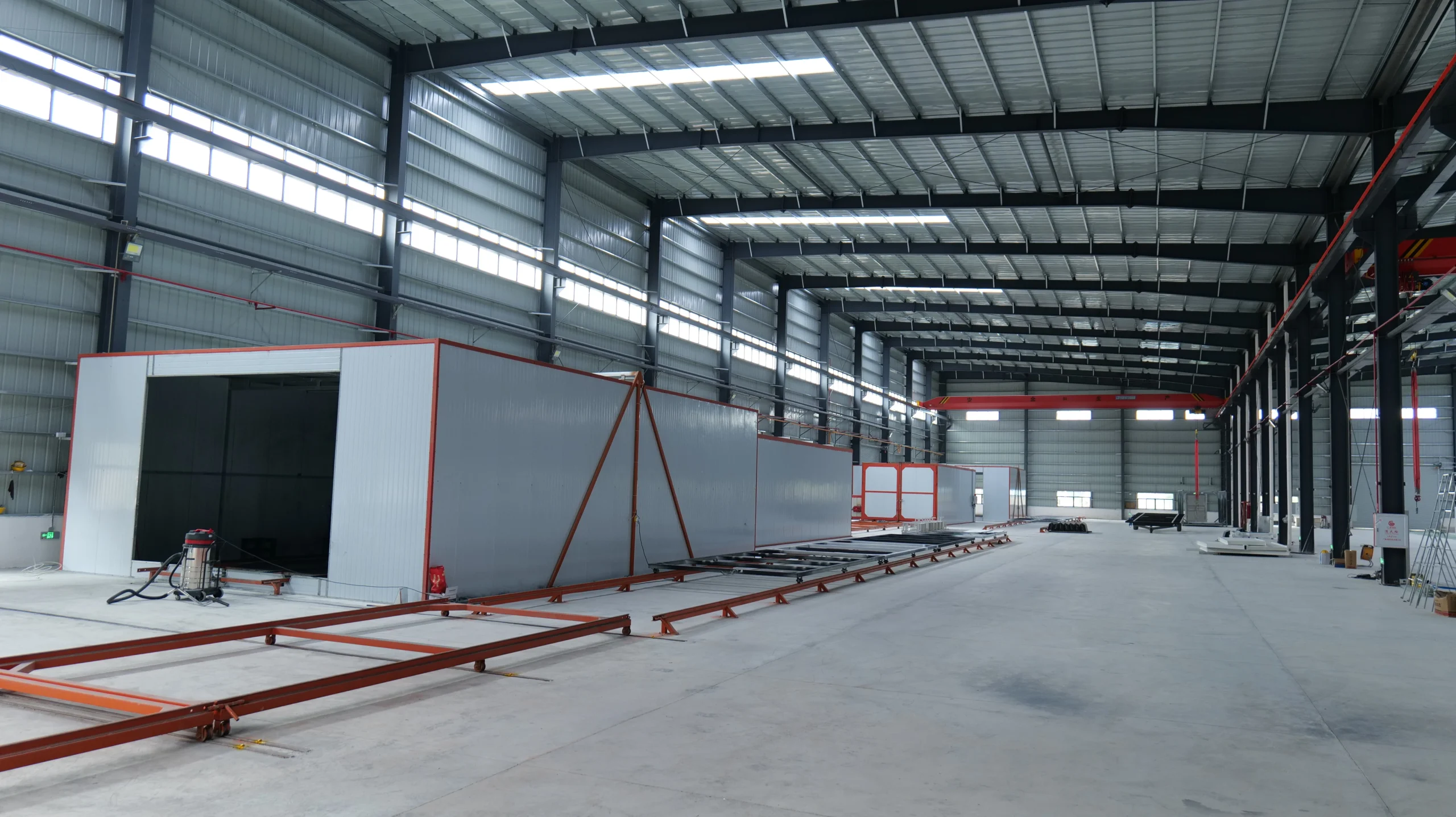
A quotation may be issued by a manufacturer, export company, trading firm, group affiliate, distributor, joint venture or local contractor. The buyer should identify what each entity controls.
Confirm which party:
- Signs the contract and receives payment.
- Owns or operates the factory.
- Prepares structural and building-services designs.
- Purchases major materials.
- Issues quality records.
- Manages export and shipping documents.
- Coordinates local approvals and installation.
- Administers warranty claims.
A group or multi-company structure is not inherently problematic. Risk appears when responsibilities move between entities without documented authority, back-to-back obligations or a single accountable contractual interface.
Test Engineering Competence Against the Proposed Delivery Scope
The depth of engineering review should match the responsibility being awarded.
A supplier manufacturing modules to a completed buyer design may have a relatively narrow design role. A performance-based, design-build or EPC camp procurement package requires stronger evidence because the supplier accepts responsibility for system performance and design integration.
The proposal should identify:
- Design codes and project criteria.
- Structural calculation responsibility.
- Site-load assumptions.
- Foundation reactions and connections.
- Fire compartmentation and egress responsibility.
- Electrical, plumbing, drainage and ventilation interfaces.
- Local professional review or signing requirements.
- Drawing submission and approval workflow.
- Authority for design changes.
FIDIC procurement guidance emphasizes that the procurement strategy and contract form should reflect the intended allocation of design and execution responsibility. The label attached to a delivery model is not enough; the obligations must be expressly defined.
Compare Manufacturer-Led, Trader-Led and Locally Managed Delivery
No delivery model is universally superior. The correct choice depends on the owner’s engineering resources, local regulatory environment, logistics complexity, site capability and preferred allocation of interface risk.
| Evaluation factor | Factory or manufacturer-led supply | Trader or intermediary-led offer | Locally managed contractor delivery |
|---|---|---|---|
| Evidence access | Direct access to production personnel, drawings and factory records is often easier | Depends on the intermediary’s authority and relationship with the factory | Strong access to site records; overseas production evidence may be indirect |
| Technical accountability | Can be clear for product design, while local-code responsibility may remain outside the factory scope | Must be expressly allocated because design, manufacture and contract administration may sit with different organizations | Can provide a single local interface if full design and integration responsibility is accepted |
| Design coordination | Efficient where the manufacturer controls the modular system | Requires disciplined document control between buyer, intermediary and factory | Often strong for foundations, utilities and permits; product-detail coordination still requires manufacturer input |
| QA visibility | Factory inspection and production hold points are generally easier to arrange | Buyer should verify audit rights, record ownership and subcontract controls | Site QA may be strong, but factory QA depends on the contractor’s supply-chain system |
| Local compliance | May require a locally registered engineer or consultant | The intermediary may add local knowledge, but competence must be evidenced | Often well placed to manage permits and authority interfaces, subject to qualifications |
| Logistics control | Strong understanding of packing, module sequence and production release | Can coordinate multiple suppliers and freight if responsibilities are controlled | May manage destination customs, inland transport, unloading and laydown more effectively |
| Installation control | Effective when factory supervisors support an experienced local crew | Depends on whether installation is controlled directly or passed to another party | Can provide unified labor and site-equipment control; manufacturer supervision may still be required |
| Warranty route | Direct product warranty, with possible cross-border service constraints | The intermediary may administer claims, but back-to-back coverage should be verified | Local response may be faster if the contractor carries full responsibility and has access to parts |
A trader should not be rejected simply because it does not own a factory. A competent intermediary may integrate several systems, manage export documentation and provide project controls. The buyer should still verify factory access, technical authority, substitution control and warranty coverage.
Direct factory procurement also has limits. It works best when the buyer can manage local approvals, foundations, customs, installation and site coordination, or appoint qualified parties to perform those functions.
Test the Technical Offer Beyond General Drawings
Require a Controlled Compliance Schedule
A useful compliance schedule follows the buyer’s specification clause by clause. Each requirement should be marked compliant, deviating, excluded, provisional or subject to additional information.
A general statement that the camp complies with “international standards” is insufficient because it does not identify the standard, edition, performance criterion or approval route.
Open technical matters should be divided into:
- Award-critical matters: items affecting safety, compliance, scope, cost, schedule or fundamental performance.
- Design-development matters: details that can reasonably be completed after award through an agreed review process.
Award-critical gaps should not be deferred merely because the supplier promises to resolve them during shop-drawing development.
Control Materials and Substitutions
The material schedule should identify required performance, product type and supporting documentation. Depending on the project, it may cover structural steel, coatings, insulation, wall and roof panels, floor systems, doors, windows, fasteners, sealants, sanitary equipment and electrical devices.
The contract should define:
- Required test reports or certificates.
- Approved products or performance criteria.
- Traceability requirements.
- Sample approval.
- Rules for proposed equivalents.
- Substitution approval authority.
- Treatment of cost and schedule effects.
A substitution may be acceptable when it meets the technical requirement and receives formal approval. The risk is an undocumented replacement that changes fire performance, corrosion resistance, thermal behavior, appearance, compatibility or spare-parts availability.
Require Project-Specific Quality Controls
ISO 10005 provides guidance for creating and applying quality plans, whether or not an organization operates an ISO 9001-conforming system. For camp procurement, this distinction matters: a management-system certificate can support supplier qualification, but it does not prove that a particular building, component or production batch meets the project specification.
The project quality plan and inspection and test plan should address:
- Incoming-material verification.
- Drawing and revision control.
- Fabrication, assembly, coating and sealing inspections.
- Dimensional and interface checks.
- Electrical and plumbing tests where applicable.
- Sample, mock-up or first-article review.
- Hold and witness points.
- Nonconformance and corrective action.
- Final inspection and release.
- Packing and loading verification.
- Compilation of quality records.
World Bank contract-management guidance recognizes inspection records, factory-test witnessing, pre-shipment inspection, acceptance testing and corrective-action tracking as appropriate elements of contract quality assurance.
Decide Whether a Mock-Up Is Necessary
A mock-up or first article is useful when repeated rooms contain interfaces that are difficult to correct after mass production. Common examples include bathroom waterproofing, service penetrations, fire stopping, finishes, furniture clearances and module connections.
The approval criteria should be defined. A visual sample does not automatically approve concealed construction, materials or later substitutions.
Verify Production Readiness Without Accepting Unsupported Lead Times
A production commitment should be supported by a logic-linked program rather than a single promised shipment date.
The program should show:
- Design submission and approval.
- Long-lead procurement.
- Sample or first-article review.
- Production-line allocation.
- Inspection and corrective-action periods.
- Packing and loading.
- Export documentation.
- Shipment batches.
- Site-readiness dependencies.
- Installation sequence when included.
Supporting evidence may include equipment lists, workforce allocation, current production records, subcontractor information and factory-visit access. The buyer should understand which operations are subcontracted and how the principal supplier controls drawings, materials, inspection and records.
Subcontracting is not automatically a weakness. It becomes a risk when the subcontracted scope is undisclosed or not covered by the supplier’s quality, schedule and warranty obligations.
An aggressive schedule should trigger clarification of material availability, approval durations, labor allocation, production capacity and competing commitments. The purpose is to establish whether the date has an executable basis, not to penalize speed.
Treat Packing and Shipping as Part of the Delivery System

Camp components may arrive without visible damage yet still disrupt installation if packages are poorly marked, incomplete or loaded without regard to erection sequence.
The supplier should provide:
- Package-level packing lists.
- Building or module identification.
- Package dimensions and weights.
- Lifting information where necessary.
- Moisture and corrosion protection.
- Transport-unit loading plans.
- Cargo-securing arrangements.
- Loading photographs.
- Shortage and transit-damage procedures.
The UNECE Code of Practice for Packing of Cargo Transport Units is a joint IMO, ILO and UNECE publication presented as a non-mandatory global code of practice for handling and packing cargo transport units. For camp procurement, it provides a useful reference when reviewing whether cargo packing, weight distribution, securing and responsible-party controls have been planned and documented. It does not replace project-specific transport engineering, carrier requirements or applicable law.
Define the Delivery Basis Precisely
The contract should identify the selected Incoterms rule, named place or port and applicable version. The project scope must separately allocate activities that Incoterms does not fully define for the camp installation.
Clarify who controls:
- Main freight and insurance.
- Export and import formalities.
- Customs classifications and supporting documents.
- Port and terminal interfaces.
- Inland transport to the site.
- Route, bridge, access and turning restrictions.
- Unloading cranes and rigging.
- Laydown and protected storage.
- Transit-damage reporting and claims.
The International Trade Administration identifies documents such as the commercial invoice, packing list and bill of lading as common export documentation. Actual requirements depend on the destination, cargo and transaction, so they should be verified for the project rather than copied from a previous shipment.
Normalize Scope Before Comparing Commercial Totals
Commercial totals are not comparable until every offer is adjusted to the same completion and responsibility boundary.
| Scope item | Bidder’s required statement | Buyer’s normalization check |
|---|---|---|
| Detailed engineering | Included, excluded or provisional, with disciplines and deliverables | Confirm calculations, drawings, local review and approval support |
| Factory manufacture | Exact buildings, materials, equipment and quantities | Compare against the approved building and room schedule |
| Furniture and equipment | Itemized specification and installation responsibility | Confirm quantity, quality level, connections and commissioning |
| QA and testing | Included inspections, records and third-party involvement | Add missing inspections, witness points or document requirements |
| Export packing | Packaging method, markings, preservation and loading scope | Normalize protection level, package identification and securing |
| Freight and insurance | Delivery rule, named place, coverage and exclusions | Recalculate all bids to the same destination and risk basis |
| Customs and duties | Export and import responsibilities and assumptions | Separate broker fees, duties, taxes and destination approvals |
| Inland transport | Delivery endpoint and route assumptions | Include port-to-site transport, permits and access constraints |
| Unloading and laydown | Cranes, rigging, labor, storage and handling | Add omitted equipment, standby exposure and protected storage |
| Foundations and civil works | Design and construction responsibilities | Separate foundation calculations from physical construction |
| Utility infrastructure | Supply limits and connection points | Include external networks, generation, treatment and storage where required |
| Installation | Labor, supervision, tools, equipment and temporary services | Normalize local labor, accommodation, travel and productivity assumptions |
| Testing and commissioning | Systems, procedures and acceptance criteria | Link completion and payment to defined testing milestones |
| Training and handover | Manuals, as-builts, training, spares and records | Add missing operational deliverables |
| Warranty | Start date, coverage, exclusions and remedy costs | Compare parts, labor, freight, travel and local service routes |
| Provisional items | Separate list with adjustment method | Prevent unresolved scope from appearing as fixed-price inclusion |
The evaluated total should reflect identifiable omitted scope, provisional exposure and interface costs. Where local costs remain uncertain, the buyer should show the uncertainty rather than present an artificially precise comparison.
Define Installation and Site Responsibilities
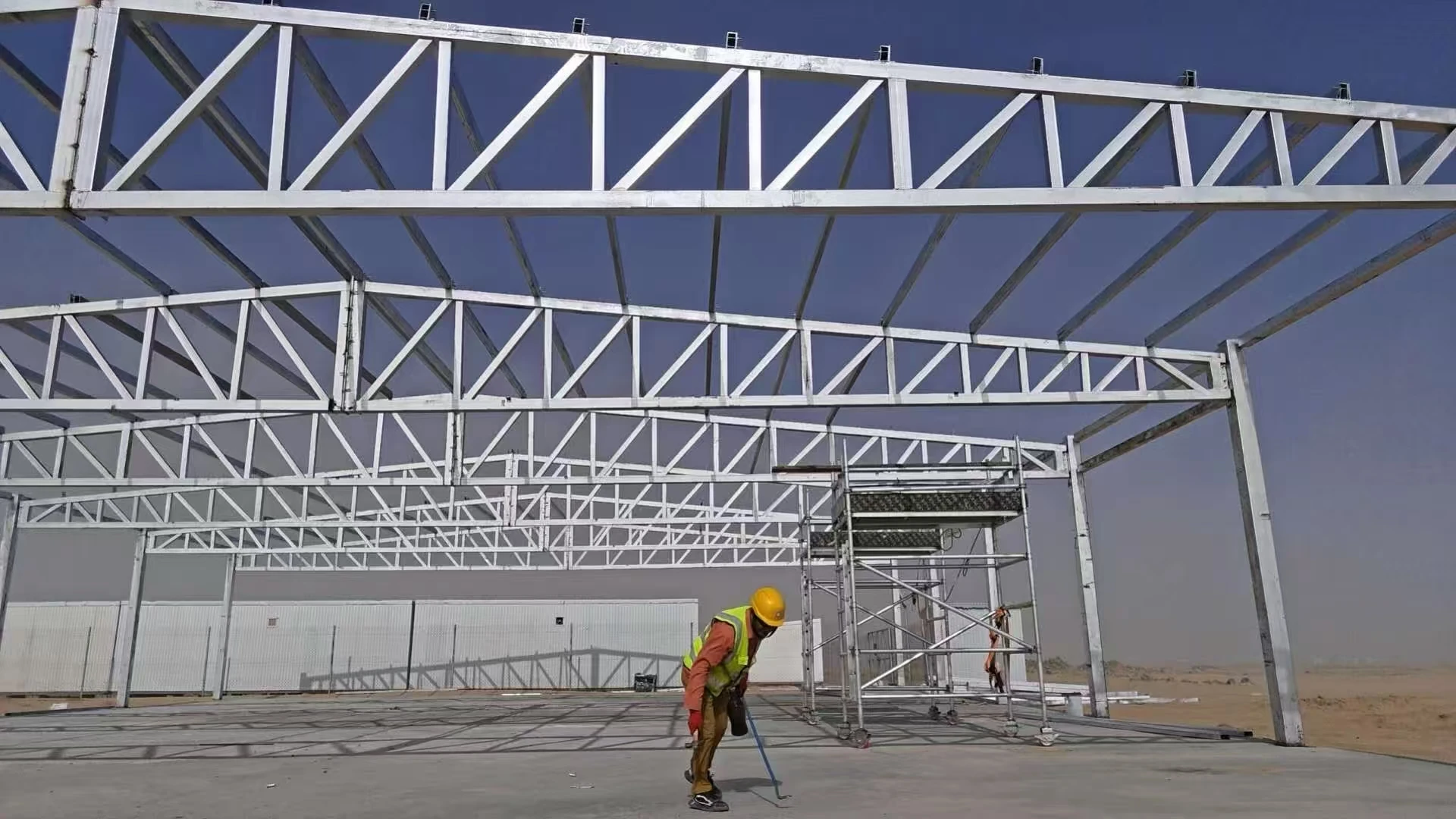
The phrase “installation included” is not sufficient for award. The installation schedule should identify:
- Supplier supervisors and specialist personnel.
- Local labor supplied by each party.
- Cranes, forklifts, access equipment and rigging.
- Tools, consumables and temporary services.
- Survey and setting-out responsibility.
- Foundation readiness and tolerances.
- Handling from laydown to work fronts.
- Site access, induction and permit requirements.
- Testing, punch-list and acceptance procedures.
Where the supplier provides supervision only, the contract should state what happens if the local workforce is insufficient, unqualified or late. The supplier should likewise receive relief where buyer-controlled foundations, cranes, access or utilities are unavailable.
Testing should be connected to objective acceptance criteria. Depending on the scope, this may include electrical systems, water, drainage, ventilation, fire systems, doors, windows, weather sealing and utility interfaces. Supplier testing does not automatically replace authority inspection.
Make Handover a Contractual Deliverable
Shipment, erection, practical completion, occupancy approval and final handover are different events. Each should have defined commercial and technical consequences.
The handover package may include:
- Approved and as-built drawings.
- Structural calculations and design reports.
- Material and product certificates.
- Inspection and test records.
- Closed nonconformance records.
- Equipment data sheets.
- O&M manuals.
- Maintenance instructions.
- Spare-parts schedule.
- Training records.
- Asset registers.
- Punch-list status.
- Taking-over or acceptance documents.
The operations team should review the proposed document index before award. Waiting until installation is complete can reveal that required records were never created during design or production.
Test Whether the Warranty Can Be Administered
A usable warranty should explain what is covered, when coverage begins, how claims are assessed and who pays for the remedy.
Confirm:
- The warranty commencement event.
- Covered defects and components.
- Exclusions for storage, local installation, misuse or unauthorized changes.
- Notice and evidence requirements.
- Response and assessment procedures.
- Responsibility for replacement parts, freight, customs, labor and travel.
- Whether urgent temporary repair is permitted.
- Whether a local service partner is authorized.
- Treatment of recurring or systemic defects.
A long nominal warranty can have limited value if the buyer must carry all investigation, freight and labor costs. Compare the likely remedy route, not only the stated period.
Control Deviations, Assumptions and Changes
Before award, require four coordinated registers:
- Deviation register: departures from tender or specification requirements.
- Exclusion register: items outside the supplier’s price or responsibility.
- Assumption register: conditions supporting design, price and schedule.
- Provisional-item register: unresolved items subject to later confirmation.
These registers should form part of the contract hierarchy. The change-control procedure should identify who may request or approve a change, what technical and commercial evidence is required, how schedule effects are assessed, and how revised drawings and as-built records are controlled.
Formal change management protects both parties. It prevents informal site instructions from becoming disputed scope and prevents unresolved tender qualifications from reappearing as unexpected variations.
Red Flags Requiring Clarification or Due Diligence
A red flag is a reason to investigate, not proof of misconduct.
Further review is appropriate when:
- The bidder, contracting party and payment entity do not align.
- The manufacturing source is undisclosed.
- Project references cannot be connected to a credible scope.
- Compliance is claimed without a traceable schedule.
- Major materials are described only as “standard” or “equivalent.”
- No party accepts structural or local-code responsibility.
- The production program omits design and procurement dependencies.
- Management-system certification is offered instead of project QA records.
- Packing is represented only by an estimated container quantity.
- The delivery term lacks a named place.
- Installation scope lacks a labor and equipment matrix.
- Warranty terms do not address cross-border remedy costs.
- A materially lower price cannot be reconciled with the required scope.
Low pricing may result from efficient design, sourcing, manufacturing scale or favorable logistics. The buyer’s task is to determine whether the price supports the proposed methodology, resources, schedule and complete contract scope.
Prepare the Award Package Before the Final Supplier Review
A structured award review is more productive when the project team has approved:
- Project location and site-access information.
- Workforce profile and peak occupancy.
- Building and room schedule.
- Layout, BOQ or concept drawings.
- Employer’s Requirements or technical specification.
- Applicable project standards.
- Delivery destination and preferred delivery basis.
- Installation and civil-work responsibility.
- Target occupancy date and phased handover.
- Available survey, geotechnical, utility and authority documents.
- Bid-clarification, deviation and commercial-normalization schedules.
Project owners and EPC contractors can use this workforce camp buying checklist as an internal approval gate before supplier selection. Once the project location, workforce profile, layout or BOQ, building schedule, technical standards, delivery destination, delivery basis, installation scope, target occupancy date and available site documents are ready, the team can submit the package for a structured project-scope review.
Buyers conducting supplier due diligence may also review the KUBO manufacturing and project-support background and relevant KUBO modular project case studies. These materials can support initial evaluation, but final award decisions should rely on project-specific evidence and contractual commitments.
Frequently Asked Questions
1. How can a buyer verify that a workforce camp supplier is the actual manufacturer?
Request the proposed factory’s legal name, location, production scope and relationship with the bidder. Supporting evidence may include registration records, factory photographs, equipment lists, current production records and audit access.
Verification should go beyond checking whether promotional material uses the word “manufacturer.” Some legitimate bidders operate as engineering or export companies and use qualified contract factories. The decisive issue is whether the arrangement is disclosed, controlled and covered by the bidder’s quality, schedule and warranty obligations.
For a high-value or schedule-critical award, a buyer audit or independent inspection can verify the production source and the controls applied to subcontracted work.
2. Is Purchasing Directly from a Manufacturer Always Safer Than Using a Trader?
No. Direct procurement may provide better access to technical staff, production records and factory inspections, but the buyer may still need to manage local approvals, customs, foundations, installation and warranty logistics.
A competent trader or intermediary may provide real value by integrating multiple suppliers, coordinating export documentation or managing local communication. Additional controls are needed to confirm its authority over the factory, access to technical records, control of substitutions and back-to-back warranty protection.
The safer model is the one with the clearest evidence, responsibility chain and contractually enforceable interfaces.
3. What Project References Are Most Useful During Supplier Evaluation?
References should resemble the proposed project in ways that affect execution risk. Relevant similarities may include facility scope, climate, structural conditions, destination logistics, phased delivery, installation model or authority-review requirements.
The buyer should ask what the supplier actually performed. A company that supplied modules only should not present the project as evidence of full EPC camp delivery unless it also controlled design, logistics, civil works, installation and commissioning.
Useful evidence may include scope descriptions, dated photographs, delivery records, consultant confirmation and acceptance documents, subject to legitimate confidentiality restrictions.
4. How Complete Must the Technical Specification Be Before Contract Award?
It should be complete enough to define safety, compliance, performance, scope, price and acceptance. Structural criteria, key materials, room schedules, facility scope, fire requirements, environmental conditions, finishes, utilities and document obligations should normally be identifiable.
Minor detailing can continue after award through the agreed design process. Fundamental decisions should not be postponed merely to accelerate award.
Where information is genuinely unavailable, the contract should state the working assumption, responsible party, confirmation deadline and commercial treatment if the assumption changes.
5. How Should Equivalent Materials and Substitutions Be Evaluated?
The supplier should submit a formal comparison covering manufacturer, technical data, certificates, performance, appearance, compatibility, availability, price and schedule effect.
Matching one property does not necessarily make two products equivalent. A substitution may affect fire behavior, corrosion resistance, thermal performance, maintenance, component compatibility or replacement availability.
Approval should come from the party authorized under the contract, which may include the owner’s engineer, architect, fire consultant or local authority. Approved substitutions should be incorporated into drawings, material schedules, inspection records and as-built documents.
6. Does ISO 9001 Certification Prove That the Proposed Camp Meets the Specification?
No. ISO 9001 certification can indicate that the supplier operates a quality-management system within the certificate’s stated scope. It does not prove that the project design is compliant, that specified materials were purchased or that a particular production batch passed inspection.
Project-specific evidence is still required. This can include a quality plan, inspection and test plan, material records, fabrication inspections, test reports, nonconformance records, final-release documents and packing checks.
The buyer should also verify the certificate’s scope, validity and issuing body rather than relying on the logo alone.
7. When Should the Buyer Inspect Camp Production?
Inspection points should be selected according to the risk of the work and whether defects will remain visible later.
An early inspection may approve samples, materials or the first completed room. Intermediate inspections can examine concealed structural, insulation, waterproofing, electrical or plumbing work before closure. Final inspection can verify dimensions, finishes, operation, quantities, markings and packing readiness.
The ITP should establish hold and witness points before manufacturing begins. Inspecting only after every module is closed and packed may provide little evidence about concealed work.
8. What Shipping Information Should Be Confirmed Before Award?
The buyer should understand package quantities, dimensions, weights, markings, lifting requirements, preservation, loading configuration, cargo securing and shipment sequence.
The contract must state the selected Incoterms rule, version and named place. It should separately allocate freight booking, insurance, export documents, import clearance, duties, inland transport, route checks, unloading, cranes, laydown and transit-damage claims.
Site access should be reviewed early. Cargo may reach the destination port on schedule yet still delay the project if road restrictions, unloading equipment or protected storage have not been arranged.
9. What Should Be Included When a Supplier States That Installation Is Included?
The installation schedule should identify the supplier’s supervisors and labor, local labor requirements, cranes, forklifts, access equipment, tools, consumables, temporary electricity, water, accommodation, transport and site facilities.
It should also define foundation readiness, survey control, working hours, productivity assumptions, safety responsibilities, testing and acceptance.
Where the supplier provides supervision rather than a complete installation crew, the buyer remains responsible for mobilizing suitable local labor and equipment. Extension rates and delay responsibilities should be agreed before award.
10. Who Should Manage Local Approvals for a Modular Workforce Camp?
The answer depends on local law and the contract structure.
The overseas supplier may provide technical drawings, calculations, certificates and design responses. A locally registered engineer or architect may need to verify, adapt or sign the documents. The owner, EPC contractor or local contractor may remain responsible for planning approval, building permits, fire review, utility approval and occupancy authorization.
Each submission, professional service, authority fee and response obligation should be allocated. A statement that the building follows international standards does not establish compliance in the destination jurisdiction.
11. What Is the Correct Way to Compare Workforce Camp Bids?
Begin by checking material compliance and clarifying major deviations. Place each acceptable bid into the same responsibility and commercial-normalization matrix.
Compare engineering, manufacture, furniture, QA, packing, freight, insurance, customs, inland delivery, unloading, foundations, utilities, installation, commissioning, training, handover, spare parts and warranty. Keep assumptions, exclusions and provisional amounts visible.
The comparison should show the evaluated commercial total, unresolved exposure, schedule confidence and responsibility structure. The lowest quoted price may not represent the lowest complete project cost.
Sources and References
- World Bank — Procurement Regulations for IPF Borrowers
- World Bank — Contract Management Practice Procurement Guidance
- FIDIC — Procurement Procedures Guide
- International Chamber of Commerce — Incoterms 2020 Rules
- International Finance Corporation and EBRD — Workers’ Accommodation: Processes and Standards
- International Organization for Standardization — ISO 9001 Explained
- International Organization for Standardization — ISO 10005 Quality Plans
- UNECE — Code of Practice for Packing of Cargo Transport Units
- International Trade Administration — Common Export Documents