


Summary
Renewable energy workforce mobilization becomes a schedule risk when contractor arrivals are not synchronized with released work fronts, transport capacity, accommodation availability, welfare services and commissioned site utilities. The issue is not simply how many workers a project expects at peak. It is whether the right people can arrive, be inducted, housed, transported and supported at the exact time their work packages require them.
A credible plan therefore uses a contractor-loaded mobilization curve rather than one headline workforce figure. Survey crews, enabling-work teams, civil contractors, installation trades, electrical specialists, commissioning personnel, equipment vendors, owner representatives and accommodation-service teams usually mobilize in separate waves. Their demand can overlap when weather, deliveries, outage windows or predecessor activities move.
Accommodation is only one project-schedule dependency. It does not independently determine mechanical completion, energization, commercial operation or any other major milestone. It can, however, delay or constrain a work package when the required residential workforce cannot be received safely, moved reliably or supported by operational utilities and welfare facilities.
The practical response is to connect workforce demand, residential occupancy and readiness gates directly to the integrated project schedule. This is especially important for wind, utility-scale solar, BESS, substation and transmission projects in remote or accommodation-constrained locations, but the same logic applies when a project expects to depend on hotels, rentals or long-distance commuting.
Why Workforce Mobilization Must Be Integrated with the Project Schedule
A renewable energy schedule typically gives close attention to engineering, procurement, civil works, equipment installation, grid connection, testing and commissioning. Workforce mobilization may appear only as a contractor milestone or a separate logistics spreadsheet.
That separation can hide a basic dependency: a contractor cannot become productive merely because its contractual mobilization date has arrived.
A crew can normally begin effective work only when several conditions coincide:
- predecessor activities are sufficiently complete;
- the work front has been released and is accessible;
- tools, materials and construction equipment are available;
- supervisors and required specialists are present;
- inductions, permits and competence checks are complete;
- transport can move workers to and from the work area;
- suitable accommodation and welfare services are operating where required.
The GAO Schedule Assessment Guide explains that a reliable integrated schedule should show the activities leading to major events and allow the project team to evaluate how changes affect the wider program. Applied to workforce planning, this means that a single activity labelled “mobilize contractor” is usually too broad to expose the real interfaces.
The schedule may need separate logic for an advance team, management personnel, initial operatives, production crews, specialist technicians and demobilization. It may also need linked activities for accommodation release, transport activation, utility commissioning and workforce induction.
The purpose is not to turn every room or bus movement into a critical-path activity. It is to make visible the support conditions that could prevent a scheduled workforce from reaching a productive work front.
Define the Workforce Numbers Before Forecasting Residential Demand
Projects frequently use “headcount,” “workforce” and “peak occupancy” as if they mean the same thing. They do not.
Total project headcount may include personnel working remotely, people based in regional offices, vendor personnel visiting for short periods and employees assigned to different sites. On-site headcount measures how many people are present within the project boundary during a defined shift or period. Residential headcount measures how many people need overnight accommodation arranged or verified by the project.
Peak concurrent occupancy is more specific again. It is the highest number of residents expected to use the accommodation system at the same time. That figure influences rooms, catering, laundry, sanitation, security, medical arrangements and residential transport.
Commuter headcount must also be identified separately. Commuters may not require rooms, but they still affect road access, parking, shuttle capacity, fatigue controls and shift-start reliability.
The World Bank ESS2 guidance on labor and working conditions distinguishes direct workers, contracted workers and other project-worker relationships while emphasizing the need to allocate responsibilities clearly. That distinction is relevant because a renewable energy project may have many employers making separate recruitment and mobilization decisions while depending on shared transport, accommodation and welfare infrastructure.
A useful workforce model should therefore distinguish at least:
- total assigned personnel;
- on-site personnel by shift;
- residential personnel;
- local or commuting personnel;
- short-term specialists and visitors;
- mobilized personnel awaiting induction or work-front release;
- demobilizing personnel still occupying rooms;
- owner and operations personnel arriving before construction fully ends.
A project cannot estimate residential demand reliably until these categories are separated.
Build a Contractor-Loaded Renewable Energy Workforce Mobilization Curve
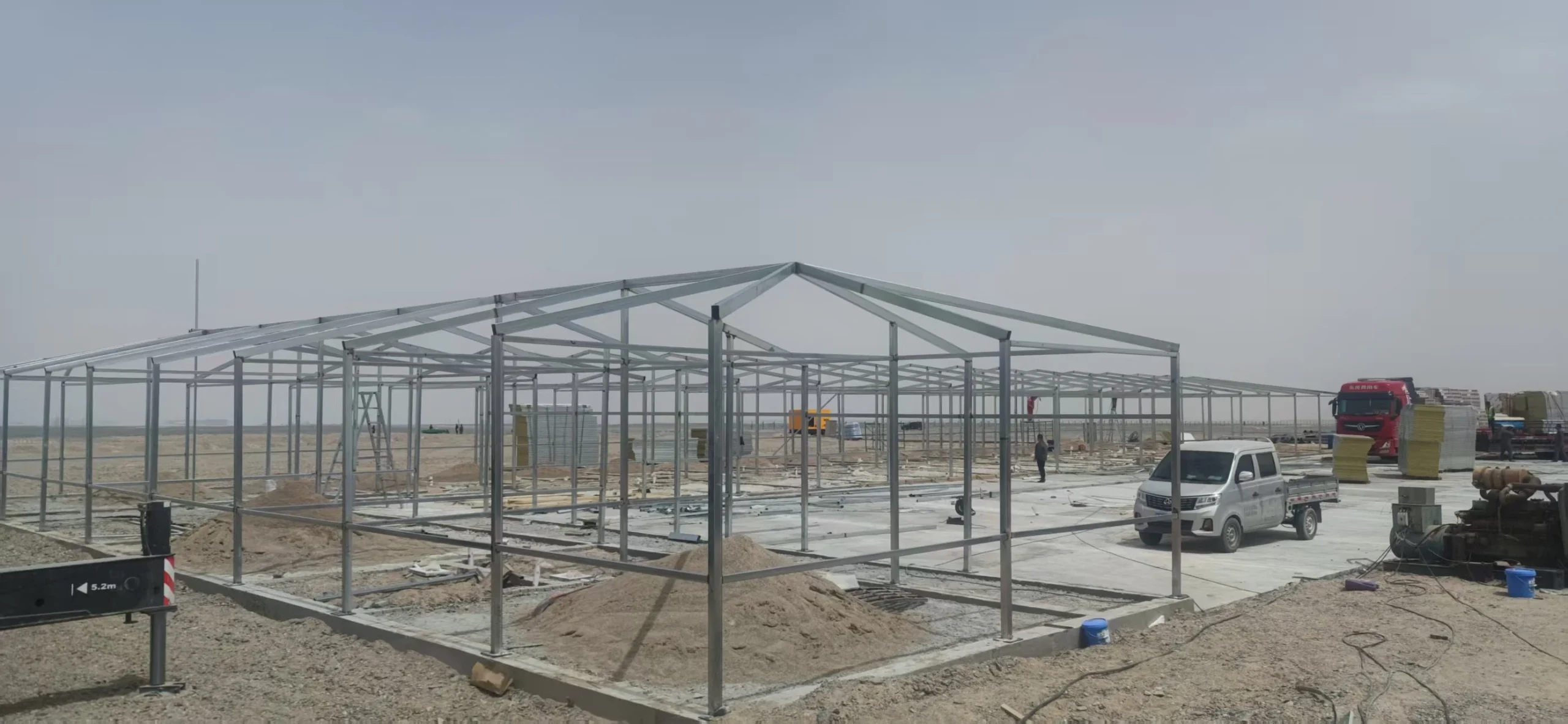
A contractor-loaded curve should begin with the work-package schedule, not with an assumed accommodation capacity.
Each contractor should provide a time-phased workforce forecast aligned with its own activities, shifts, skill requirements, work areas and mobilization logic. The owner, EPC contractor or construction manager should then consolidate the forecasts and reconcile overlaps.
| Mobilization input | Schedule question | Residential or readiness consequence | Evidence to require |
|---|---|---|---|
| Contractor start and finish dates | Are the dates linked to valid predecessors and released work fronts? | Early arrivals may consume rooms while crews wait for productive work | Logic-linked contractor schedule and mobilization narrative |
| Workforce by role and shift | Which skills and supervisors are needed at each stage? | A total headcount may hide specialist, night-shift or supervision requirements | Role-based workforce forecast or resource-loaded schedule |
| Local labor assumption | Which roles can realistically be recruited locally? | Unsupported assumptions may materially understate residential demand | Recruitment plan and contractor labor-sourcing basis |
| Residential headcount | Which personnel require overnight accommodation? | Determines room, catering, laundry and welfare demand | Contractor-by-contractor residential declaration |
| Transport plan | Can each shift reach its work front reliably? | Available rooms do not help if workers cannot reach the site safely or on time | Routes, vehicles, shift timetables and backup arrangements |
| Work-package overlap | Which contractors will be present simultaneously? | Combined occupancy may exceed the peak forecast of any single contractor | Consolidated integrated schedule |
| Vendor and commissioning attendance | Are specialist visits included in the baseline? | Late-added specialists may compete with retained construction crews for rooms | Vendor attendance and commissioning schedules |
| Demobilization logic | What releases personnel and rooms? | Rooms may remain blocked after productive work has ended | Completion, retention and room-release criteria |
Include Advance Teams
Advance teams often create the first residential demand. They may include surveyors, construction managers, HSE personnel, logistics coordinators, security teams, temporary-utility crews and accommodation operators.
Their numbers may be modest, but their timing is important. They can arrive before permanent utilities, kitchens or full transport arrangements are operational. If their needs are excluded because they are not part of the “main construction workforce,” the project may encounter an occupancy problem before production work has begun.
Advance-team mobilization should be linked to defined enabling tasks. Sending people early does not protect the schedule when access, permits, equipment or minimum welfare conditions are not ready.
Model Overlapping Work Packages
The project peak is often created by overlap rather than by the largest contractor.
Civil crews may remain to finish roads, drainage or foundations while mechanical installation begins in completed areas. Electrical trades may enter released zones while civil work continues elsewhere. Vendor representatives and commissioning specialists may arrive before installation labor has fully demobilized.
The consolidated curve should therefore show whether a delay:
- moves a workforce peak to a later date;
- extends the existing peak;
- creates a second peak;
- overlaps construction and commissioning;
- prolongs residential demand beyond secured accommodation dates.
These outcomes require different responses. A shifted peak may affect reservations. An extended peak may increase operating duration. A second peak may require phased room reuse or controlled overflow. An overlap may require priority rules for specialist personnel.
Compare the Baseline Schedule with Residential Demand
The baseline schedule shows when work is planned. The residential-demand schedule shows whether the people required for that work can be supported at the same time.
The comparison should test whether:
- workforce increases occur before work fronts are executable;
- contractor forecasts use the same calendar and reporting periods;
- local and residential assumptions are consistent across contractors;
- early works require accommodation before permanent utilities are ready;
- delayed demobilization overlaps with electrical completion or commissioning;
- owner personnel, inspectors and vendor specialists are included;
- night shifts alter on-site demand without reducing overnight occupancy;
- regional housing assumptions remain valid during seasonal or competing demand.
A mismatch does not automatically mean the project needs more rooms. The schedule may be improved by resequencing work, validating local accommodation, adjusting contractor overlap, revising transport, changing shift arrangements or releasing unused reservations.
The important point is that the project team identifies the mismatch before it becomes an urgent site constraint.
Convert “Rooms Complete” into Verified Occupancy Readiness
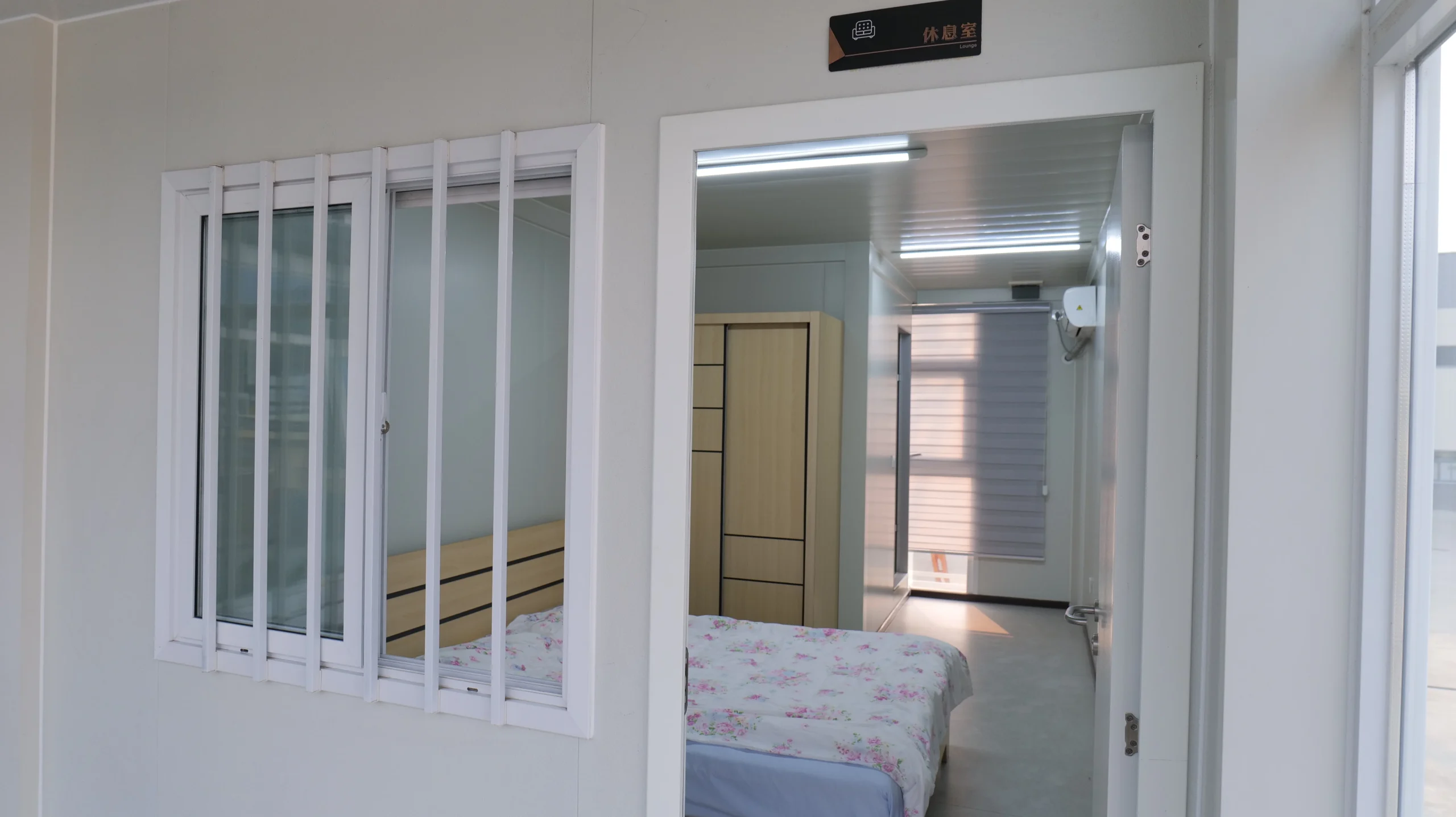
Physical completion is not the same as occupancy readiness.
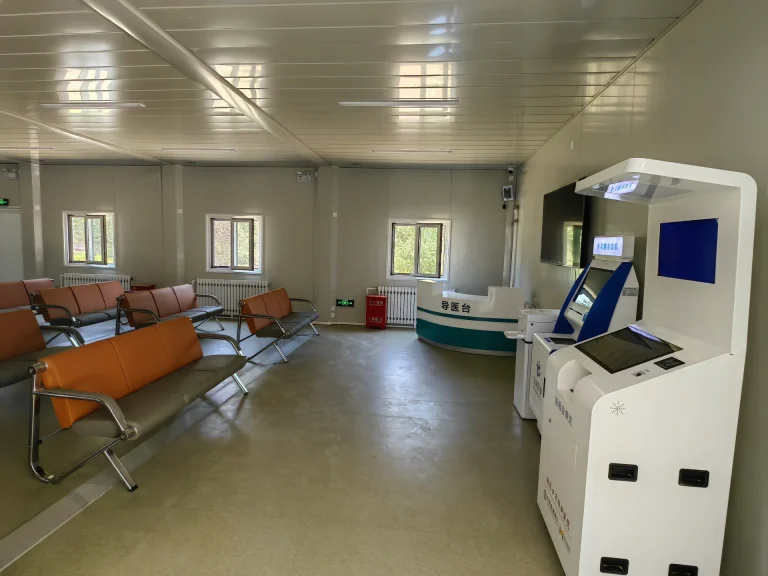
A sleeping block may appear finished while power is still temporary, water quality has not been verified, wastewater systems are not operational, fire procedures are incomplete or service staff have not been trained. A schedule that releases workforce mobilization based only on building completion can therefore create a gap between available beds and safe, functioning occupancy.
The IFC and EBRD guidance on workers’ accommodation treats accommodation as a staged process involving need assessment, construction standards, management, community impacts and eventual dismantling or reinstatement. It addresses living conditions together with sanitation, catering, laundry, medical services, communications, recreation, security and facility management.
Depending on project conditions and applicable requirements, occupancy readiness may include:
- inspected and defect-cleared rooms;
- safe access roads and pedestrian routes;
- tested power and backup arrangements;
- verified potable-water supply;
- functioning wastewater and drainage systems;
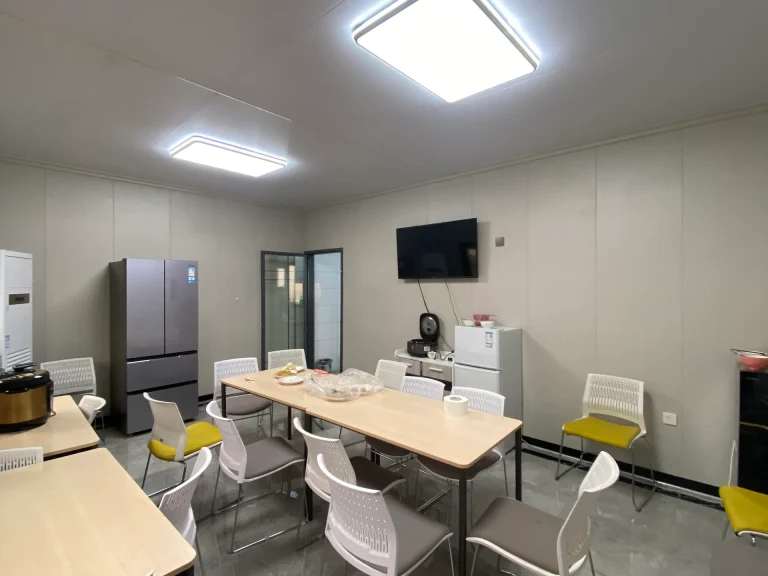
- operational kitchens and dining areas;
- sanitary, washing and laundry facilities;
- waste-management arrangements;
- communications and access control;
- fire detection, alarms, escape routes and emergency procedures;
- first-aid or medical provision;
- trained catering, cleaning, security and maintenance staff;
- resident induction and operating procedures.
The project should distinguish between theoretical capacity and verified capacity. Theoretical capacity is the number of beds shown on a layout or completion report. Verified capacity is the number of residents formally approved for occupancy after required systems, services, inspections, permits, training and handover records have been reviewed.
The occupancy release should identify the approved buildings or zones, effective date, resident categories, operational limits and any outstanding restrictions. This prevents a general statement such as “the camp is ready” from being interpreted more broadly than the evidence supports.
Treat Welfare and Utility Readiness as Schedule Gates
Welfare and utility systems are not secondary once residents arrive. Failure can affect safety, health, attendance, morale and the project’s ability to continue occupying the facility.
The UK HSE construction welfare guidance supports addressing welfare during early planning and maintaining suitable provision throughout construction. The related HSE contractor guidance under UK CDM 2015 emphasizes contractor coordination where work interfaces with others. These are UK-specific sources, not universal legal requirements, but they illustrate why workforce support and interface ownership should be planned rather than added after mobilization.
U.S. regulations also provide jurisdiction-specific examples. 29 CFR 1926.51 addresses sanitation in construction, while 29 CFR 1910.142 addresses temporary labor camps. These provisions should not be treated as global standards or converted into universal ratios. Every project must identify the applicable local law, permits, client requirements and workforce-specific standards.
The schedule should include evidence-based gates for utilities and welfare rather than assuming installation equals operation.
| Stage gate | Evidence expected | Typical interface owner | Warning signal |
|---|---|---|---|
| Preliminary workforce basis accepted | Work-package assumptions, labor-sourcing basis and initial residential forecast | Project controls, construction and procurement | One total headcount with no residential breakdown |
| Contractor mobilization plan accepted | Time-phased workforce by role, shift, employer and accommodation type | Contractor and construction manager | Mobilization dates are not linked to executable work |
| Local accommodation verified | Availability, reservation status, suitability and transport assessment | Logistics or workforce planning | Capacity is based on general market availability rather than secured supply |
| Utilities ready for occupancy | Test records, permits where required, procedures and responsible operators | Site infrastructure and accommodation teams | Systems are installed but not tested under operating conditions |
| Welfare and life-safety gate passed | Inspections, defect status, staffing, training and emergency arrangements | HSE, operator and authorized client representative | Rooms are declared complete while key services remain unavailable |
| Phased occupancy released | Approved zones, occupancy limits, resident categories and effective date | Authorized occupancy-release team | Residents are assigned outside the verified release boundary |
| Workforce increase approved | Updated curve, transport impact, service capacity and schedule justification | Project controls and construction management | Contractor headcount rises without a revised residential forecast |
| Demobilization accepted | Completion status, retained-personnel list, departures and room handback | Contractor, commissioning and logistics teams | Rooms remain blocked for personnel no longer required |
Verify Local Housing and Transport Assumptions
Local accommodation may remain sufficient where suitable capacity has been verified and transport is reliable. The schedule should not classify personnel as local simply because accommodation exists somewhere in the region.
The relevant questions are practical:
- Is suitable accommodation available for the required dates?
- Has it been reserved or contractually secured?
- Could tourism, seasonal activity or another project reduce availability?
- Does the accommodation meet project and legal requirements?
- Can each shift reach the work area reliably?
- Are roads vulnerable to weather, congestion or access restrictions?
- Are vehicles, drivers, maintenance and replacements available?
- Is travel compatible with fatigue and working-hour controls?
- Can emergency transport operate when the normal route is disrupted?
The World Bank good practice note on project-related labor influx explains that incoming workers can place pressure on housing, water, electricity, transport and other local services, particularly in remote or capacity-constrained communities. It also notes that the implications may become clearer after contractor appointment and labor-sourcing decisions.
Contractor appointment is therefore a key forecast update point. Preliminary assumptions based on local labor availability should be replaced with contractor-specific recruitment and residential plans before major mobilization is released.
Transport must be treated as part of the same interface. Rooms may be available, yet the workforce can still miss productive time if buses, roads, shift timetables or weather contingencies are inadequate.
Account for Technology-Specific Work-Package Interfaces
The schedule logic is similar across renewable energy assets, but the workforce curve may take a different shape.
Wind
Wind projects can combine dispersed civil fronts, turbine deliveries, crane operations, mechanical installation, electrical completion and vendor support. Weather or delivery changes may shift installation specialists while civil and electrical teams remain on site, extending overlap and residential demand.
Utility-Scale Solar
Solar projects can ramp labor rapidly across piling, tracker assembly, module installation, trenching, cabling and testing. The risk may come from several subcontractors reaching production scale simultaneously, placing pressure on induction, transport, dining, laundry and occupancy systems even when nominal room capacity appears sufficient.
BESS
BESS projects may have a compact footprint but concentrated interfaces among foundations, enclosures, electrical systems, controls, fire protection, vendor attendance and commissioning. Equipment-specific specialists may have limited availability, so their accommodation and transport should be aligned closely with site readiness.
Substations and Transmission
Substation and transmission work may involve multiple compounds and linear work fronts. A central accommodation location can still create schedule friction if travel times, remote welfare arrangements or access conditions vary significantly between work areas.
These examples change the shape of the mobilization curve, not the underlying rule: personnel demand must be connected to executable work, residential readiness and reliable access.
Manage Delay, Resequencing and Buffers Together
A standard contingency percentage or fixed buffer duration should not be applied universally. The appropriate response depends on the identified uncertainty and its effect on workforce overlap.
The project should test common scenarios such as:
- weather delaying access or installation;
- equipment arriving later than planned;
- civil works being resequenced;
- contractors accelerating after lost time;
- grid outage windows moving;
- commissioning beginning before construction demobilizes;
- specialists returning for defects;
- local housing becoming unavailable;
- utilities failing occupancy-readiness testing.
A buffer should have a defined purpose, owner, activation condition and release condition. Possible controls include phased occupancy, secured overflow arrangements, reservation decision points, backup transport, independently commissioned accommodation zones and notice requirements for contractor workforce increases.
Unassigned spare rooms are not a complete schedule control. The project must know which personnel receive priority, how the capacity will be activated and when it can be released.
Plan Demobilization Before Peak Occupancy
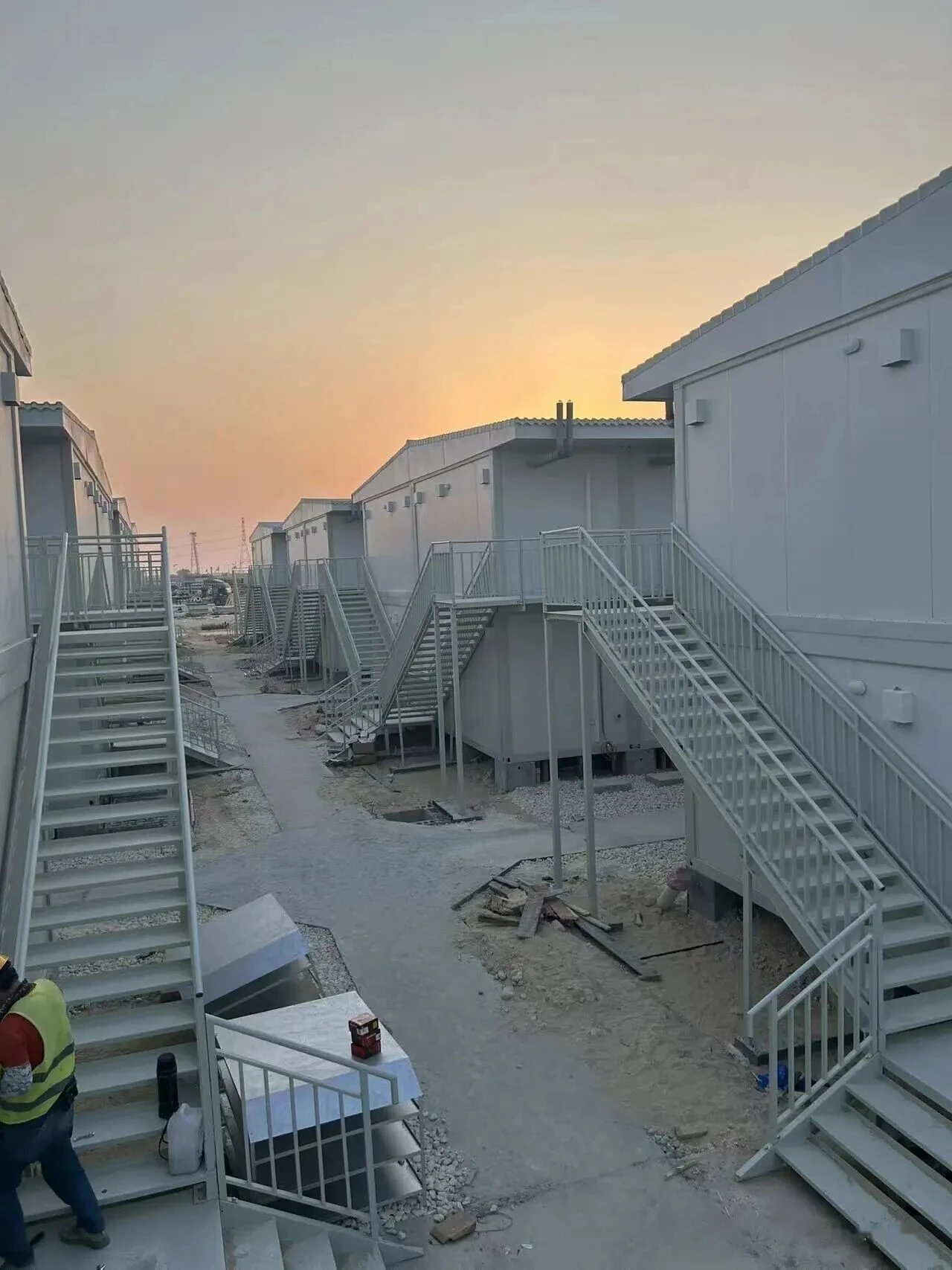
Demobilization is not simply mobilization in reverse.
Some workers can leave when physical installation ends. Others may remain for testing, documentation, defect correction, training, handover or warranty support. Owner representatives and operations personnel may begin arriving before all construction contractors have departed.
Room-release criteria should identify:
- which activities or documents must be complete;
- who approves departure;
- which personnel must remain;
- whether return visits are expected;
- when rooms can be inspected and reassigned;
- which services can be reduced safely;
- whether facilities will be retained, relocated, reused or removed.
The IFC and EBRD guidance also supports considering dismantling and reinstatement during initial planning rather than leaving these issues until accommodation is no longer required.
Premature release can disrupt commissioning or defect closure. Delayed release can prevent rooms from being reassigned to incoming specialists. The demobilization forecast should remain connected to the integrated schedule until construction, commissioning and operations-retention requirements have stabilized.
Review Your Renewable Energy Workforce Mobilization Plan
Before seeking a detailed assessment, assemble the project location, contractor-loaded workforce curve, key work-package dates, residential headcount, local housing assumptions, transport plan, occupancy-readiness dates, utility and welfare commissioning status, and demobilization logic.
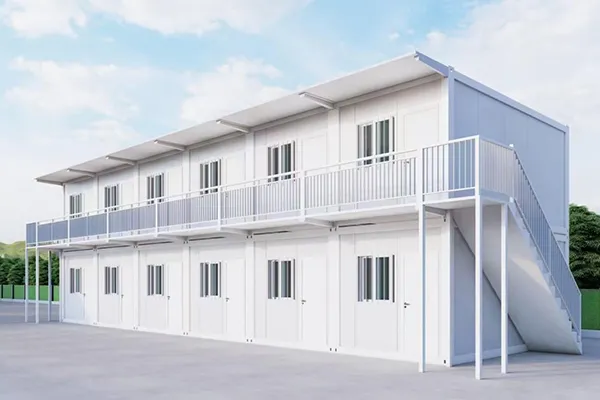
The broader Renewable Energy Project Camp Planning Guide places these schedule interfaces within a wider planning framework. Project teams reviewing possible accommodation configurations can also consult the Renewable Energy Project Camp Solutions and relevant Construction and Engineering Project Solutions.
Once the workforce, residential-demand and readiness assumptions have been reconciled, use the project planning enquiry route to review whether the mobilization plan aligns with the construction schedule.
Frequently Asked Questions
What is a renewable energy workforce mobilization curve?
A renewable energy workforce mobilization curve is a time-phased forecast showing when project personnel will arrive, remain and leave. A useful curve separates contractors, roles, shifts, residential status and work packages rather than presenting one total headcount line. It should be linked to the integrated schedule so that each workforce increase corresponds to executable work, available supervision, induction capacity, transport and accommodation readiness.
Why is peak workforce different from peak accommodation demand?
Peak workforce may include local employees, commuters, office personnel, visitors and people assigned to different work areas or shifts. Peak accommodation demand includes only those requiring overnight residential support at the same time. The dates may also differ. Accommodation planning should therefore use time-phased residential headcount and peak concurrent occupancy, not an assumed percentage of total project headcount.
When should advance teams mobilize?
Advance teams should mobilize when they have defined enabling work and minimum support conditions are ready. They may include surveyors, construction managers, HSE personnel, logistics coordinators, security staff, utility crews and accommodation operators. Mobilizing them before access, permits, transport or welfare arrangements are available can consume rooms without improving schedule progress.
Can local hotels and rentals remain sufficient?
They can remain sufficient where capacity, suitability, reservation status, transport reliability and seasonal availability have been verified for the required dates. The assessment should reflect actual contractor recruitment plans. Regional housing listings alone do not confirm that suitable rooms will remain available throughout delays, peak demand or changing work-package overlaps.
What is the difference between room completion and occupancy readiness?
Room completion usually means that physical construction and furnishing are substantially finished. Occupancy readiness means that the approved rooms and their supporting systems can safely receive residents. This may require inspections, defect closure, tested utilities, operational welfare services, life-safety procedures, trained staff and formal authorization for a defined occupancy level.
Who owns the mobilization schedule?
Each contractor should own the accuracy of its workforce forecast and communicate changes. The owner, EPC contractor or construction manager should consolidate those forecasts and align them with the integrated schedule. Project controls, construction, logistics, procurement and HSE may share responsibilities, but one designated function should control the consolidated residential-demand curve and readiness status.
How should contractor overlap be managed?
Contractor forecasts should be combined on a common calendar and compared with work-front availability, room capacity, transport and welfare readiness. Planned overlap should be separated from overlap caused by delay or slow demobilization. Where verified demand exceeds capacity, the project can assess resequencing, phased mobilization, local accommodation, overflow arrangements or revised shifts without assuming that additional rooms are the only solution.
Can accommodation open in phases?
Phased occupancy may be appropriate where zones and their supporting systems can be tested, operated and isolated independently. The release should define approved rooms, occupancy limits, access routes, service areas and emergency arrangements. Shared systems such as kitchens, water treatment, wastewater or fire alarms may prevent partial opening if they are not operational.
How should commissioning personnel be included?
Commissioning specialists, vendor representatives, owner personnel and operations trainees should appear as separate workforce groups with their own dates and residential requirements. Their arrival may overlap with construction close-out, defect work and retained contractor teams. Assuming that construction rooms will automatically be free can create a late occupancy conflict.
What should happen when the construction schedule slips?
The project should determine whether the delay shifts the workforce curve, extends current occupancy or creates additional overlap. Contractors should update workforce and demobilization forecasts, while the project rechecks accommodation reservations, service capacity and transport. Changes should be controlled through the schedule process rather than handled as informal room requests.
When can rooms be released during demobilization?
Rooms can be released when the relevant personnel are no longer required, departures are confirmed and the accommodation has been inspected for reuse. Physical work completion may not be sufficient if a crew must finish testing, documentation, training or defects. The retained-personnel list should distinguish continuous residents, short return visits and personnel transferring into operations.
Sources and References
- GAO Schedule Assessment Guide: Best Practices for Project Schedules
- World Bank ESS2 Guidance Note on Labor and Working Conditions
- World Bank Good Practice Note on Project-Related Labor Influx
- IFC and EBRD Workers’ Accommodation: Processes and Standards
- HSE Construction Welfare Guidance
- HSE Contractor Responsibilities under UK CDM 2015
- U.S. Construction Sanitation Requirements in 29 CFR 1926.51
- U.S. Temporary Labor Camp Requirements in 29 CFR 1910.142