


Summary
A reliable modular camp procurement timeline must work backward from the date the camp needs to be operational—not from the purchase-order date or the day factory production begins. The controlling sequence usually includes requirement definition, preliminary layout, technical approval, production release, material procurement, fabrication, inspection, packing, export handling, ocean and inland transport, customs clearance, site preparation, installation, utility connection, commissioning and occupancy authorization.
These activities do not form one simple supplier lead time. Some run sequentially, some can proceed in parallel, and several depend on parties outside the modular-building manufacturer. Production may finish on schedule while a missing import document prevents shipment. Modules may arrive on time while incomplete foundations, unsuitable crane access or unavailable utilities stop installation. Physical installation may finish while fire-safety inspections, water testing or operating procedures prevent occupancy.
The practical conclusion is clear: an EPC contractor or project owner should establish interface milestones, approval deadlines, responsibility owners and acceptance evidence before placing the order. Supplier dates should be expressed as conditional ranges tied to information release, approvals and scope. Shipping, customs, civil works and commissioning should remain separately visible rather than being concealed within a single “delivery” duration.
A defensible schedule does not promise one universal number of days. It identifies when each activity can start, what must be completed before it starts, who controls it, what evidence proves completion and how uncertainty affects the required operational date.
Why the Required Camp-Readiness Date Must Control Procurement
Renewable energy construction programs usually contain several dates that can be mistaken for the required camp milestone:
- notice to proceed;
- access-road completion;
- start of enabling works;
- first contractor mobilization;
- beginning of major civil works;
- turbine, solar-module or battery-equipment delivery;
- peak construction;
- mechanical completion;
- energization;
- commercial operation.
The camp does not necessarily need full peak capacity at the first of these dates. An advance team may initially require offices, sanitation, storage and limited accommodation. Additional dormitories, dining capacity and welfare facilities may be needed before the main construction workforce arrives. Certain buildings may later remain as the operations and maintenance base.
A useful schedule therefore identifies at least three readiness milestones:
- Advance-camp readiness: the minimum facilities needed to receive survey, security, logistics, HSE and enabling-work personnel.
- Construction-camp readiness: the accommodation, welfare, utilities and operating services required for the main residential workforce.
- Peak-capacity readiness: the final phase needed before workforce demand reaches its highest concurrent residential level.
Some projects need a fourth milestone for the transition to operations. Construction accommodation may be removed or relocated while offices, workshops, storage, control rooms or selected residential units remain for the O&M team. This future state can influence early system selection, utility routing, building location and installation sequence.
The readiness dates should be connected to the contractor-loaded workforce plan. Ordering the entire camp against one headline project date can create unnecessary early capital exposure, storage and maintenance. Ordering only against the first mobilization date can leave later contractor waves without sufficient capacity.
KUBO’s renewable energy project camp solutions provide the broader system-selection context for wind, solar, battery-storage, substation and transmission projects. The procurement schedule discussed here addresses the narrower execution question: when information, approvals, goods, civil works and services must be ready for those facilities to become operational.
The Modular Camp Procurement Timeline Is a Network, Not a Countdown
A schedule becomes misleading when “camp delivery” is represented as one bar between contract award and arrival. Factory work is only one part of the network.
The U.S. Government Accountability Office’s schedule guidance explains that a reliable schedule should capture all activities, sequence them logically, assign resources, identify the critical path and account for schedule risk. Although the guidance was developed for government program assessment, its scheduling principles are directly useful for an international camp package. The owner, EPC contractor, manufacturer, freight providers, civil contractor, installer, utility contractor and approval authorities all contribute activities that may affect readiness.
The basic backward-planning equation is:
Required operational date
minus commissioning and occupancy activities
minus installation and connection activities
minus transport, customs and delivery activities
minus inspection, packing and release activities
minus production and material procurement
minus technical approval
minus requirement definition
equals the latest credible procurement start date.
Each deduction should be a documented range rather than an unsupported fixed promise. The range should state its assumptions, responsible party, working calendar, start condition and completion evidence.
A factory estimate described as “eight weeks,” for example, remains ambiguous unless the parties know whether the clock starts at contract signature, deposit receipt, final drawing approval, material approval or formal manufacturing release. It also does not reveal whether inspection, punch-list closure, packing or export-port handling is included.
The same ambiguity appears at the destination. “Delivered to site” could mean cargo arriving at the gate, modules unloaded into a laydown area, buildings erected, utilities connected or facilities accepted for occupancy. These are materially different milestones.
Procurement Milestones and Their Required Evidence
The following gate structure separates the major phases while preserving their interfaces.
| Procurement gate | What must be complete | Evidence required before release | What can happen if the gate is weak |
|---|---|---|---|
| Planning basis approved | Population by phase, facility schedule, room standards, site conditions, design criteria and scope boundaries | Approved requirements register and responsibility matrix | Layout revisions, quantity changes and utility under-sizing |
| Preliminary layout accepted | Zoning, capacity, circulation, functional adjacencies and phasing concept | Marked-up layout accepted for the stated purpose | Commercial offer based on the wrong camp concept |
| Technical basis frozen | Structural, architectural, fire, thermal, MEP and interface requirements | Design-basis document, compliance matrix and approved deviations | Recalculation, material substitution or regulatory rejection |
| Final drawings approved | Project-specific manufacturing and interface information | Approved-for-production document register | Factory work begins against incomplete or conflicting information |
| Manufacturing released | Commercial, technical and document conditions satisfied | Written manufacturing release and baseline production schedule | Materials are ordered before design decisions are stable |
| Factory inspection accepted | Required inspections, tests and records completed | Inspection release note, reports and punch-list status | Defects move from a controlled factory environment to a remote site |
| Shipment released | Packing, markings, documents, weights and transport bookings confirmed | Packing list, shipping documents, inspection records and release authorization | Missed vessel, customs hold, cargo damage or wrong unloading plan |
| Site readiness accepted | Access, foundations, drainage, laydown, cranes, labor and connection points ready | Survey records, civil inspection, logistics readiness review and signed handover | Cargo storage, remobilization and installation delay |
| Installation complete | Modules erected, connected, sealed and inspected | Installation checklists and construction punch list | Hidden defects or incomplete interfaces reach commissioning |
| Operational readiness accepted | Utilities, safety systems, documentation and camp services functioning | Commissioning records, approvals, training and occupancy release | Buildings exist physically but cannot safely receive personnel |
These are control gates, not bureaucratic additions. Each one prevents a less expensive problem from becoming a more expensive downstream problem.
The level of evidence should reflect project complexity and consequence. A small temporary advance camp may use a concise register and standard installation checklist. A multi-building international camp with kitchens, wastewater systems, fire infrastructure and multi-storey accommodation may need a more formal document-control, inspection and commissioning regime.
Stage 1: Define the Requirement Before Requesting a Fixed Schedule
The first procurement stage is not drawing production. It is establishing what the camp must do.
Workforce and facility scope
The buyer should define residential demand by project phase rather than provide only the project’s total workforce. The schedule should identify:
- advance and enabling-work personnel;
- main civil and installation contractors;
- specialist electrical and commissioning teams;
- owner and engineer representatives;
- camp operators, caterers, cleaners and maintenance staff;
- roster overlaps and delayed departures;
- local workers who do not require accommodation;
- visitors and short-term vendor personnel;
- retained operations and maintenance personnel.
Peak project headcount and peak residential occupancy are not necessarily the same. Some personnel may commute, work remotely or visit for short periods. Conversely, camp staff and roster overlaps can increase accommodation demand beyond the number shown for one construction shift.
The facility schedule must extend beyond bedrooms. Dining, food storage, ablutions, laundry, offices, medical support, recreation, security, maintenance, waste handling and utility buildings can have different design, approval and commissioning requirements.
A dormitory-only quantity can be quoted quickly, but that does not mean a complete camp can be scheduled reliably. A shortage of dining seats, hot-water capacity, wastewater treatment or laundry throughput can constrain usable occupancy even when enough beds exist.
Site and environmental inputs
Structural and envelope design may depend on site-specific wind, snow, seismic, temperature, humidity, rainfall, corrosion and altitude conditions. The owner should also provide available geotechnical information, topography, drainage conditions, flood exposure and the intended foundation approach.
Labels such as “desert solar project” or “high-wind location” are not adequate design inputs. Missing environmental criteria can remain hidden until engineering review, when changing structural members, insulation, coatings, glazing or connections may affect price and production.
Site altitude may influence equipment and HVAC selection. High solar exposure may affect envelope, roofing and sealant requirements. Coastal or industrial atmospheres can change corrosion-protection decisions. Cold climates may require attention to thermal bridging, condensation, freeze protection and protected utility connections.
These conditions matter to the schedule because project-specific selections can require additional calculations, samples, material sourcing or local approval.
Compliance and approval route
The project should identify:
- governing building and fire requirements;
- whether the camp is classified as temporary, relocatable, semi-permanent or permanent;
- the authority having jurisdiction;
- required local professional certification;
- lender, owner or EPC technical specifications;
- accessibility requirements;
- required third-party inspections;
- factory and site approval responsibilities;
- occupancy or operating authorization.
The International Code Council describes ICC/MBI Standards 1200 and 1205 as addressing planning, design, fabrication, transport, assembly, inspection and regulatory compliance for off-site construction. These standards do not automatically govern every international camp, but they illustrate why factory work and final-site approval must be treated as one coordinated compliance process.
The approval route should be confirmed before the supplier promises a final technical schedule. A local authority may require project-specific submissions, while a lender’s technical adviser or owner’s engineer may impose an additional review. These reviews can sometimes proceed in parallel, but only when their responsibilities and document requirements are known.
Scope boundaries
The requirements stage should also distinguish the building package from the complete camp. Questions to settle include:
- Are foundations included?
- Who provides external roads and drainage?
- Who supplies the utility-generation and treatment systems?
- Are internal MEP systems factory installed?
- Where do supplier connections terminate?
- Who supplies furniture, appliances and operating equipment?
- Who unloads and stores the cargo?
- Is the supplier providing labor, supervision or remote guidance?
- Who conducts integrated commissioning?
- Who secures occupancy approval?
An incomplete scope boundary creates both price uncertainty and hidden schedule gaps.
Stage 2: Use the Preliminary Layout for Decisions, Not Manufacturing
A preliminary camp layout translates the requirement into an arrangement that can be reviewed commercially and operationally. It should normally show:
- site boundary and available development area;
- accommodation zones and room capacity;
- dining and welfare areas;
- offices and administrative functions;
- pedestrian and vehicle circulation;
- emergency access and assembly areas;
- separation between residential and service activities;
- utility compounds and distribution corridors;
- drainage direction;
- waste and delivery routes;
- crane, unloading and laydown assumptions;
- expansion zones;
- buildings intended for later relocation or O&M use.
The preliminary layout should also test whether the proposed camp can be installed and operated in phases. A first accommodation block is not useful if the required sanitation, power, water, wastewater and emergency provisions are scheduled for a later phase.
This layout can support option comparison, budget development and initial logistics planning. It should not be confused with approved construction or manufacturing information.
A buyer evaluating what can safely be decided at each drawing stage should review KUBO’s guidance on preliminary camp layouts versus final construction drawings. The procurement schedule should explicitly state which decisions depend on concept acceptance and which require final technical approval.
Premature production release creates a false appearance of acceleration. If the layout later changes, the consequences can include different quantities, corridor arrangements, fire separations, utility loads, packing sequences, foundations and site-installation priorities.
Preliminary approval should state its limits
The approval record should explain whether acceptance covers:
- overall capacity;
- building functions;
- zoning;
- circulation;
- phasing;
- commercial pricing basis;
- system selection;
- utility concept;
- visual direction.
It should also identify unresolved items. A preliminary layout can be accepted for quotation while structural loads, MEP design and local compliance remain open. Making that limitation visible prevents the drawing from being misused as an approved-for-construction document.
Stage 3: Complete Technical Approval and Establish the Design Freeze
Technical approval is often the most underestimated part of a modular camp procurement timeline. It is not simply a buyer placing an approval stamp on a floor plan.
The technical package may include:
- design-basis documentation;
- project-specific plans and elevations;
- structural calculations or load criteria;
- wall, roof and floor assemblies;
- door and window schedules;
- fire-performance information;
- electrical load and distribution information;
- plumbing diagrams and connection points;
- HVAC requirements;
- equipment and finish schedules;
- module interfaces;
- lifting and handling information;
- foundation reactions or support requirements;
- packing and identification logic;
- installation drawings;
- inspection and test plans;
- document register and submittal schedule.
Every document should have a defined review purpose and status. “Reviewed,” “approved,” “approved with comments” and “approved for production” must not be treated as interchangeable.
Control review cycles
The baseline schedule should define:
- how long each party has to review a submittal;
- whether working days or calendar days apply;
- how consolidated comments will be issued;
- who resolves conflicting comments;
- how resubmissions are handled;
- which comments block manufacturing;
- which documents may follow production release;
- how changes after design freeze are evaluated.
Serial reviews can consume far more time than expected. Where permitted by the project’s governance, coordinated owner, EPC, local-engineer and supplier reviews can reduce repeated cycles. Speed should not come from bypassing the party responsible for approval.
Comments should be technically specific and traceable. Repeated informal instructions through meetings or messaging applications can create different interpretations across engineering, commercial and production teams. The approved document register should remain the controlling record.
Separate the freeze points
One design freeze may not suit every decision. A controlled schedule can distinguish:
- layout and quantity freeze;
- structural design freeze;
- envelope and finish freeze;
- MEP interface freeze;
- furniture and equipment freeze;
- packing-sequence freeze.
This allows long-lead or structurally decisive items to proceed while lower-risk details remain under controlled review. The change procedure must still show whether a later decision affects completed work.
Manage approved deviations
A compliance matrix should record requirements, proposed responses, exceptions and approval status. If a supplier offers an alternative panel, fixture, finish or equipment brand, the substitution should be evaluated for performance, certification, compatibility, availability, maintenance and schedule consequences.
A verbally accepted substitution can still cause rejection during inspection if it was never incorporated into the approved technical package.
Stage 4: Release Material Procurement and Factory Production
Factory production should begin only when the agreed release conditions have been met. Those conditions may include contract effectiveness, payment milestones, approved technical documents, confirmed quantities, accepted samples and written manufacturing authorization.
Material availability comes before assembly output
A factory’s nominal assembly capacity does not prove that the project can enter production immediately. Schedule risk may sit in:
- project-specific steel sections;
- insulated panels;
- compliant electrical components;
- HVAC equipment;
- doors and windows;
- sanitary fixtures;
- fire-rated assemblies;
- coatings;
- furniture and appliances;
- locally certified products;
- owner-nominated brands.
The procurement schedule should identify which items are standard stock, locally sourced, imported, made to order or subject to buyer approval. Approved alternates should be established before a shortage occurs.
A material schedule should also distinguish the date an order is placed from the date acceptable material is available for production. Supplier confirmation, manufacturing, transport to the modular factory, incoming inspection and rejection or replacement all affect availability.
Define what “production complete” means
The term may refer to several different conditions:
- structural frames fabricated;
- modules assembled;
- architectural finishes complete;
- MEP installation complete;
- furniture packed separately;
- factory tests complete;
- punch-list items closed;
- export packing complete;
- cargo loaded and handed to the carrier.
Only the last conditions support shipment. Progress reporting should therefore use measurable quantities by production stage rather than a single subjective completion percentage.
A useful report might distinguish material received, frames completed, modules assembled, MEP complete, inspected, packed and loaded. These quantities reveal whether work is flowing through production or accumulating at an unfinished stage.
Protect sequence, not only total output
The production sequence should match the installation and occupancy strategy. If the advance camp is needed first, its buildings, utility interfaces and support functions should be prioritized as a complete operational package.
Producing all dormitory frames before beginning dining, sanitation or electrical-support modules may improve one factory metric while failing the project’s readiness objective.
Use batch logic for phased camps
A renewable energy project may benefit from separate production and delivery batches:
- advance offices and welfare units;
- first accommodation block;
- main construction accommodation;
- dining and service facilities;
- additional peak-capacity modules;
- retained O&M buildings.
Phasing can bring useful capacity forward, but it adds coordination risk. Early batches must be operationally complete enough to use, and later batches must remain compatible with the original structural, architectural and utility interfaces.
Repeated batches may also create additional inspection notices, shipping documents, customs entries and installation mobilizations. The schedule benefit must be tested against those added interfaces.
Stage 5: Plan Inspection as Part of Production
Inspection should not be added after the factory reports completion. The inspection and test plan should be agreed before manufacturing release so that hold points, witness points, records and acceptance criteria are known.
Depending on scope, controls may cover:
- incoming material certificates and identification;
- dimensions and tolerances;
- weld quality;
- corrosion protection and coating;
- panel and insulation installation;
- door and window operation;
- electrical continuity and protection;
- plumbing pressure or leakage tests;
- fixture installation;
- trial assembly;
- visual finish;
- marking, packing and loading;
- document completeness.
The buyer should state who may attend, how much notice is required and whether remote evidence is acceptable for particular activities. If third-party inspection is required, the inspection body’s appointment and availability belong in the baseline schedule.
Hold points must be scheduled
A hold point prevents work from proceeding until the required inspection or authorization is complete. If the inspector is unavailable, production can stop or move ahead at risk.
The project should therefore identify:
- required notice period;
- inspection location;
- responsible attendees;
- acceptance criteria;
- required equipment;
- document prerequisites;
- treatment of missed attendance;
- authority to release the hold point.
Witness points can be managed differently if the contract permits work to proceed when the notified party does not attend.
Define punch-list categories
The parties should distinguish:
- defects that prevent shipment;
- defects requiring factory closure before packing;
- minor items that may be closed through documented evidence;
- site-adjustment items already allowed by the approved installation method;
- spare or replacement components to accompany the shipment.
Shipping a serious defect transfers corrective work to a site where labor, tools, materials and supervision may be more difficult to obtain. Conversely, holding an entire shipment for a minor cosmetic item may be disproportionate if an approved closure method exists.
Stage 6: Plan Packing and Export Release as a Separate Phase
Packing is an engineered interface between factory production and transport. It should protect components, preserve assembly sequence and allow the receiving team to identify each package.
The joint IMO/ILO/UNECE Code of Practice for Packing of Cargo Transport Units provides authoritative guidance on safe packing, securing and handling of cargo transport units. For a modular camp, practical controls include:
- verified package dimensions and masses;
- suitable supports, dunnage and restraint;
- protection against moisture, abrasion and deformation;
- balanced weight distribution;
- marked centers of gravity and lifting points where required;
- package identification linked to the packing list;
- segregation of fragile, electrical or easily damaged components;
- assembly-sequence packaging;
- container and seal records;
- photographic loading evidence.
Packing should consider how cargo will be received. A component required during the first installation shift should not be inaccessible behind later-phase materials. Small connectors, fasteners, sealants and electrical accessories need controlled identification because losing inexpensive components can stop a much larger installation activity.
Confirm shipping configuration before production finishes
The logistics plan should establish:
- container type or alternative transport unit;
- package envelope;
- weight limitations;
- loading method;
- cargo-securing method;
- lifting and forklift access;
- protection requirements;
- destination unloading method;
- return or disposal of packing materials.
Late changes to the shipping configuration can require repacking, different lifting arrangements, changed freight bookings or revised transport permits.
For packed containers transported by sea, the International Maritime Organization explains that verified gross mass is required before loading under SOLAS requirements. Responsibility for obtaining and communicating that information should therefore appear in the shipping plan rather than being left as an assumed freight-forwarder task.
Export release should be a milestone supported by accepted inspection status, final packing lists, commercial documents, booking confirmation and any required certificates.
Stage 7: Separate Ocean Freight, Customs and Inland Delivery
“Shipping time” is not one duration. It may contain:
- empty-container availability;
- positioning at the factory;
- loading and gate-in;
- export customs processing;
- terminal cutoff;
- vessel departure;
- transshipment;
- destination-port discharge;
- import customs clearance;
- terminal release;
- inspection or quarantine where applicable;
- inland haulage;
- final-mile route restrictions;
- arrival sequencing at the camp site.
A quoted port-to-port transit does not include every one of these activities. Published sailing schedules can also change. The project schedule should use current route-specific information from the appointed logistics parties and retain an uncertainty range for booking, transshipment, port and border conditions.
Confirm contractual delivery points
The contract should state the named delivery point and applicable trade term, including the stated version. It should also allocate responsibility for:
- export documentation;
- freight booking;
- cargo insurance;
- import permits and registrations;
- duties and taxes;
- customs brokerage;
- destination charges;
- inland transport;
- abnormal-load permits;
- unloading;
- storage and security;
- damage surveys.
Transfer of cost or risk under a trade term does not by itself prove that every scheduling task has an owner. A separate logistics responsibility matrix remains necessary.
Build the customs document set before dispatch
The required documents depend on destination, product classification, contract and transport mode. The responsible broker and importer should confirm the package rather than rely on a generic checklist.
Possible documents and evidence may include:
- commercial invoice;
- packing list;
- transport document;
- origin documentation;
- insurance evidence;
- inspection certificate;
- product or material certificates;
- treatment or packing declarations where applicable;
- import permits;
- project-exemption documentation;
- consignee and importer registrations.
Names, quantities, weights, marks and descriptions should remain consistent across the document set. A small discrepancy can become a clearance query that affects delivery.
Survey the final route
Remote wind and solar sites may present narrow roads, weak bridges, steep grades, soft shoulders, tight turning radii, overhead lines, seasonal closures or limited passing areas. Package geometry and transport mode should be checked against the full route before manufacturing fixes the shipping configuration.
A larger preassembled or folding module may reduce site assembly but demand more road envelope and lifting capacity. Flat-pack or detachable systems may improve transport density while increasing site labor, component control and weather exposure. The best option is the one that minimizes total delivery-chain risk, not simply factory duration.
Plan destination storage
Cargo may reach the destination before foundations or cranes are ready. If storage cannot be avoided, the plan should address:
- secure location;
- drainage and ground support;
- stacking restrictions;
- weather protection;
- access for inspection;
- inventory control;
- preservation requirements;
- damage reporting;
- insurance responsibilities.
Unplanned storage can damage finishes, panels, seals, electrical components or furniture while creating additional handling costs.
Stage 8: Run Site Preparation in Parallel—With Controlled Interfaces
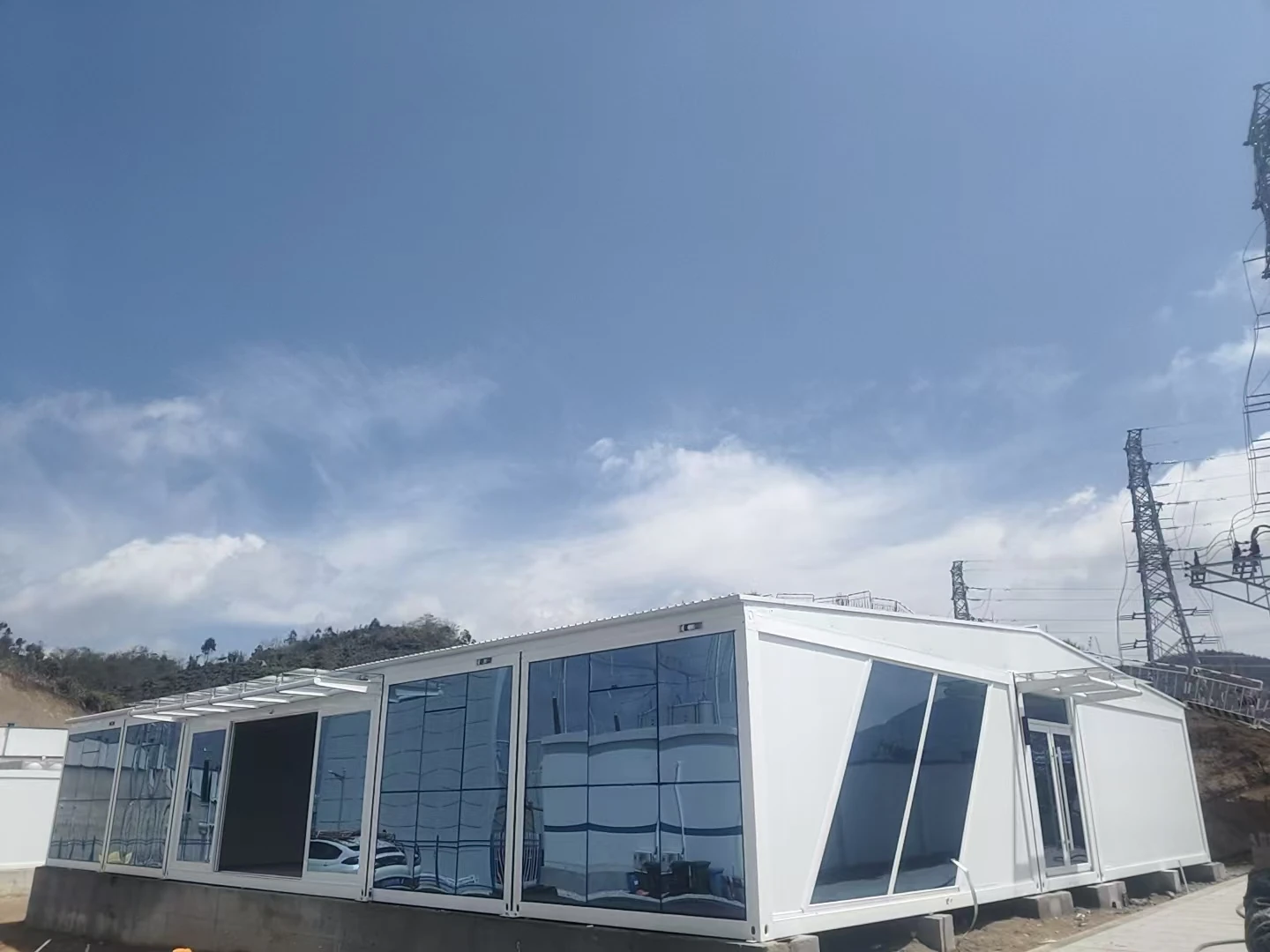
Off-site construction creates a schedule advantage only when the site package progresses in parallel with design and production. Parallel work also creates interface risk: foundations may be built before final reactions, utility points or tolerances are confirmed.
Site preparation can include:
- surveys and setting-out control;
- geotechnical investigation;
- grading and drainage;
- roads and delivery access;
- foundations or supports;
- crane pads and working areas;
- laydown and protected storage;
- temporary power and water;
- permanent or temporary utility infrastructure;
- wastewater systems;
- fire-water or firefighting provisions;
- fencing, security and lighting;
- communication infrastructure;
- permits and inspections.
The supplier should issue the information required by the civil contractor according to an agreed submittal schedule. The civil contractor should return survey and as-built evidence before delivery.
Define the civil interface information
Depending on the system, the site contractor may need:
- module footprints;
- support-point coordinates;
- foundation reactions;
- allowable tolerances;
- anchor or connection details;
- finished levels;
- stair and ramp locations;
- service penetrations;
- drainage outlets;
- electrical entry points;
- water and wastewater connections;
- crane and unloading assumptions.
Preliminary information may support budgeting and early preparation, but the document status must be clear. Building foundations from an unapproved reference drawing transfers unresolved design risk into physical construction.
Verify readiness, do not assume it
“Foundations complete” is not a sufficient readiness statement. The receiving team should verify location, elevation, level, spacing, bearing condition, anchor arrangement, drainage and access.
A signed site-readiness gate protects both the installation schedule and the modules from damage. It should also confirm:
- crane mobilization;
- installation crew availability;
- lifting accessories;
- tools and consumables;
- temporary services;
- work permits;
- weather restrictions;
- secure laydown;
- access for delivery vehicles;
- approved installation sequence.
If the site is not ready, postponing dispatch may be less damaging than moving cargo into uncontrolled storage. The commercial and schedule implications should be addressed in the contract.
Stage 9: Plan Installation Around the Actual Building System
Installation duration depends on more than module count. Important variables include:
- system type and factory completion;
- single-storey or multi-storey arrangement;
- number of separate buildings;
- corridors, canopies, stairs and external roofs;
- daily crane access;
- unloading distance;
- laydown organization;
- crew competence;
- tools and temporary works;
- weather and daylight;
- foundation accuracy;
- MEP connection scope;
- local inspection points;
- availability of replacement components;
- construction sequencing around occupied areas.
The installation plan should define a zone-by-zone sequence tied to shipment and packing. Cargo should not arrive randomly if the first installation packages are buried behind later-stage materials.
Match labor to the installation method
A factory supervisor cannot compensate for an insufficient local crew. The installation schedule should state:
- expected crew composition;
- required trades;
- supervision scope;
- crane and equipment operators;
- working shifts;
- productivity assumptions;
- training or mock-up requirements;
- language and communication arrangements;
- inspection responsibilities;
- replacement and rework procedures.
A more component-led system may require greater labor discipline, inventory control, sealing and tolerance management. A more complete volumetric system may reduce assembly but place greater importance on heavy lifting, transport access and foundation accuracy.
Treat lifting as an engineered operation
Lifting activities must follow the applicable local legal and project requirements. As one jurisdiction-specific example, the U.S. Occupational Safety and Health Administration’s construction crane requirements address ground conditions and controlled assembly and disassembly procedures. Projects outside the United States must apply their own governing rules, but the planning lesson remains relevant: crane capacity alone is not a complete lifting plan.
The installation package should establish:
- crane position;
- lift radius;
- module or package mass;
- rigging arrangement;
- approved lifting points;
- ground-bearing conditions;
- exclusion zones;
- weather limits;
- communications;
- supervisory competence;
- contingency for interrupted lifts.
Renewable energy sites may already contain overhead lines, energized equipment or constrained work fronts. Camp lifting activities must be coordinated with the wider project rather than planned in isolation.
Control weather exposure
Flat-pack and detachable systems can create open assembly stages in which panels, insulation, floors, wiring or stored components are vulnerable to rain, dust or strong wind. The method statement should define protection, temporary sealing, drying and inspection requirements.
Weather contingency should be assigned to exposed activities rather than added as one unexplained allowance at the end of the schedule.
Stage 10: Commission the Camp Before Declaring It Ready
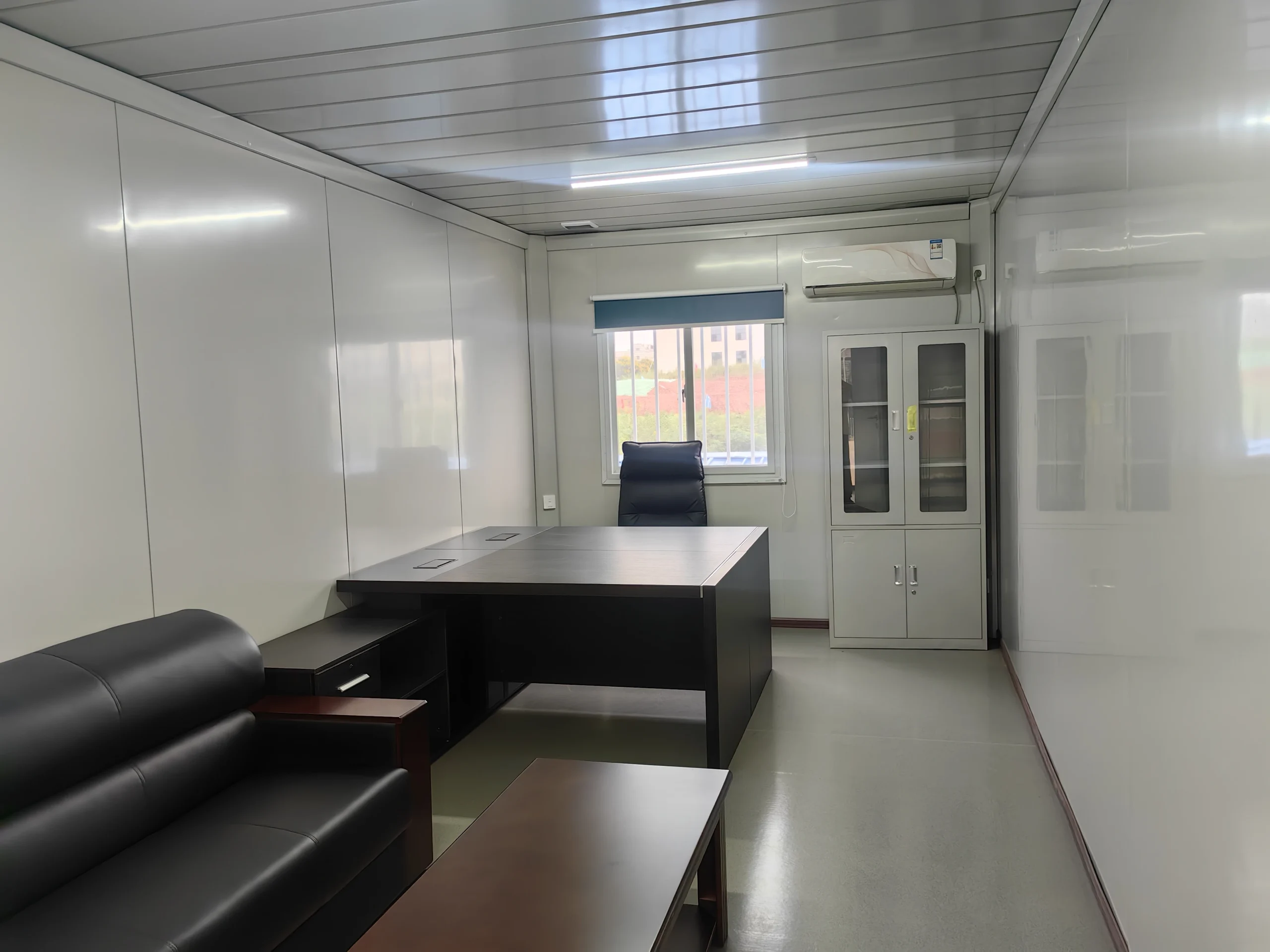
Installation completion is a construction milestone. Operational readiness is a separate acceptance condition.
The U.S. Department of Energy describes commissioning as a quality-assurance process used to verify that a building performs according to its design intent and meets owner and occupant needs. While each camp must follow its own jurisdiction and contract, this definition captures an important procurement principle: commissioning verifies performance, not merely physical presence.
Camp commissioning may include:
- electrical inspection and energization;
- protective-device testing;
- earthing verification;
- water-system flushing and testing;
- hot-water operation;
- wastewater-system testing;
- HVAC start-up and controls;
- ventilation checks;
- lighting and emergency systems;
- fire detection, alarm and suppression interfaces;
- door, egress and access checks;
- kitchen and laundry equipment;
- communications and security systems;
- utility backup and failure-response tests;
- operating documentation;
- training and spare-parts handover;
- defect recording and closure.
Test systems together
Individual equipment may function while the overall camp still fails operationally. Integrated tests should consider realistic conditions:
- simultaneous hot-water demand;
- kitchen, laundry and accommodation electrical loads;
- generator or backup-power transitions;
- wastewater performance at staged occupancy;
- alarm audibility;
- emergency lighting;
- communication between security and accommodation areas;
- utility failure and recovery;
- operator response to alarms or equipment faults.
The commissioning plan should identify prerequisites, test procedures, acceptance criteria, witnesses, records and retest responsibilities.
Protect the occupancy period
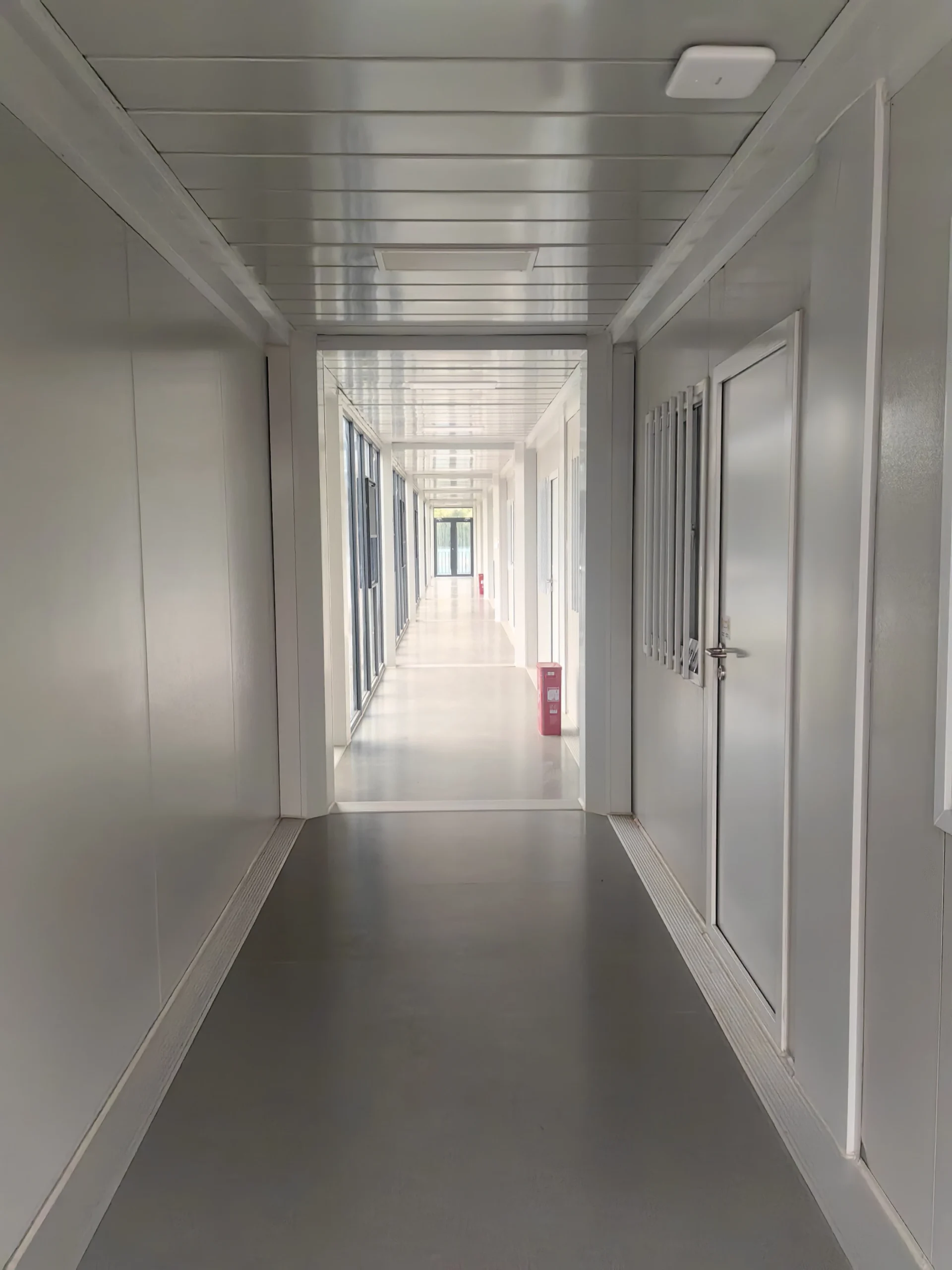
Occupancy may depend on external approvals, water-quality evidence, fire inspection, camp-operator mobilization, catering readiness, cleaning, waste collection, medical arrangements and emergency procedures.
A project that schedules “installation complete” as the workforce move-in date has removed the time needed to prove the camp can operate safely. Moving occupants into partially commissioned facilities can also make defect correction slower and more disruptive.
Define handover evidence
The handover package may include:
- approved drawings;
- as-built information;
- inspection and test records;
- commissioning reports;
- equipment manuals;
- warranties;
- spare-parts lists;
- training records;
- maintenance schedules;
- certificates;
- open-item register;
- keys, access controls and asset identification.
Handover should distinguish minor residual items from conditions that limit capacity or prevent safe use.
How to Build Defensible Lead-Time Ranges
No universal procurement duration can be responsibly applied to every modular camp. A standard group of units with an approved configuration, available materials, direct transport route and prepared site has a different risk profile from a multi-building camp requiring local engineering, project-specific fire performance, owner-nominated equipment, transshipment and off-grid utilities.
A defensible range should be built using three estimates for each uncertain activity:
- Optimistic duration: achievable when stated assumptions hold and no identified risk occurs.
- Most likely duration: based on the current scope, normal review cycles and confirmed resources.
- Risk-adjusted duration: accounts for credible approval, supply, logistics, weather or interface disruption.
The range must come from the party controlling the activity. The manufacturer estimates production after reviewing design and materials. The freight provider estimates the current route. The customs broker assesses destination procedures. The civil contractor estimates foundations and access. The installer estimates erection using the confirmed system and site. The authority or local consultant advises on approval steps without guaranteeing an authority’s decision.
Calendars and start conditions matter
Every range should identify:
- calendar or working days;
- local weekends and holidays;
- factory shutdowns;
- seasonal weather restrictions;
- port or border operating calendars;
- review periods;
- notice requirements;
- the event that starts the clock;
- the evidence that stops it.
Without these definitions, two parties can accept the same duration while expecting different dates.
Distinguish effort from elapsed time
An engineering activity may require only several days of direct effort but remain open longer because it depends on site data, third-party review or buyer decisions. Compressing internal work will not remove external waiting time.
Likewise, ocean transit can be only one part of a longer logistics window that includes booking, cutoff, export clearance, transshipment, destination release and inland transport.
Do not apply one contingency percentage to everything
Risks should be attached to the activities they affect. Design uncertainty belongs near approval. Material uncertainty belongs near procurement. Vessel and port uncertainty belongs in logistics. Rain, wind and ground conditions affect site work and lifting.
This approach produces a more credible completion range and shows which mitigation action can protect the readiness date. The GAO Schedule Assessment Guide also emphasizes schedule risk analysis rather than reliance solely on deterministic dates.
Protect project-owned float
A buyer may be tempted to communicate the entire available schedule allowance to each contractor. Doing so can convert contingency into planned duration.
The integrated schedule should distinguish:
- activity duration;
- contractor or supplier contingency;
- interface allowance;
- project-controlled schedule reserve.
Reserve should be managed against identified uncertainty and updated as information improves.
Comparing Delivery Strategies
| Decision factor | Higher factory completion | Flat-pack or component-led delivery | Phased hybrid strategy |
|---|---|---|---|
| Lifecycle fit | Strong where modules will remain intact or relocate as complete units | Strong where parts can be maintained, replaced or repacked systematically | Useful when advance, peak and O&M phases have different lifecycles |
| Scalability | Additional complete units can be added if layout and utilities allow | Repetitive components support scalable assembly | Capacity can follow the workforce curve by phase |
| Schedule certainty | Reduces site assembly but depends heavily on route and crane readiness | More site activities and workmanship variables | Protects early capacity but adds batch coordination |
| Local-labor dependency | Lower structural assembly demand; connections and finishing remain | Higher demand for competent assembly labor and supervision | Labor demand changes by batch and system |
| Logistics | Larger shipping envelope or lower packing density may apply | Better density may be possible, depending on design | Different batches may use different transport configurations |
| Site readiness | Requires foundations, access, crane pads and unloading sequence to be ready | Requires foundations plus weather-protected assembly and organized laydown | Site can be released in zones if interfaces are controlled |
| Utilities | Factory-installed systems can reduce field work, but final connections remain | More connection and testing work may occur on site | Utilities must expand without disrupting occupied phases |
| Approval | Factory completion can aid controlled inspection, but local completion still matters | More site work may increase local inspection scope | Approval strategy must remain consistent across batches |
| Maintenance | Integrated modules may simplify asset identification | Replaceable components may aid repair if inventories are controlled | Mixed systems require multiple maintenance procedures |
| Relocation | Complete-module relocation may be practical where routes allow | Disassembly may improve transportability but requires condition control | Retained O&M units can be selected separately from temporary capacity |
| Interface risk | Concentrated at transport, foundations, lifting and connections | Concentrated in assembly labor, tolerances, inventory and weather | Concentrated between batches, standards, utilities and responsibility scopes |
| Total project risk | Lower only when transport and lifting conditions are favorable | Lower only when capable site resources and supervision are available | Can balance risks but requires stronger planning and document control |
The table does not identify a universally faster system. It shows where time and risk move when factory completion, transport density, site labor and phasing change.
Higher factory completion may improve quality control and reduce exposed site work, yet it can create larger transport packages and heavier lifts. Flat-pack or component-led delivery may improve shipping density, but the schedule becomes more dependent on local assembly capacity, inventory discipline and weather protection.
A hybrid strategy can align systems with different project phases. Advance teams may prioritize rapid deployment, peak construction may prioritize repeatability and shipping efficiency, and retained O&M facilities may prioritize durability and relocation. The benefit depends on maintaining compatible standards and clearly allocating interfaces.
Responsibilities That Must Be Fixed Before Contract Award
A renewable energy camp procurement planning process becomes enforceable only when scope and responsibility match the dates. The owner or EPC contractor should prepare a matrix covering:
- requirements and design basis;
- local code review;
- authority submissions;
- final technical approval;
- material approvals;
- production release;
- factory inspection;
- packing and loading;
- export and import documents;
- freight booking;
- customs clearance;
- inland transport;
- route and permit surveys;
- foundations and site works;
- unloading and storage;
- cranes and rigging;
- installation labor and supervision;
- temporary works;
- utility connections;
- testing and commissioning;
- training and handover;
- occupancy authorization.
Particular care is needed with phrases such as “installation support,” “delivery to site,” “commissioning assistance” and “turnkey.” Installation supervision is not the same as supplying the full crew, cranes, tools, consumables and temporary works. Delivery may end at a port, inland terminal or accessible site boundary. Equipment start-up does not automatically include integrated commissioning or occupancy approval.
Align payment and schedule milestones
Commercial milestones should correspond to measurable progress and required evidence. A payment event tied to “production complete” should use the contract’s definition of completion. A shipping payment should reflect the agreed release evidence. Retention or final payment may depend on document handover, defect closure or acceptance.
The schedule should also acknowledge actions that the buyer controls. If payment, approval, nominated-equipment selection or site access is late, the effect on material bookings and production sequence should be assessed transparently.
Establish change control
A change after design freeze may affect:
- engineering;
- approved materials;
- purchasing;
- completed fabrication;
- packing density;
- weight;
- customs documentation;
- foundation interfaces;
- installation sequence;
- commissioning.
Every proposed change should be evaluated for cost, schedule and downstream consequences before approval. A change that seems minor architecturally may alter fire performance, electrical demand or transport configuration.
The commercial schedule should explain the treatment of buyer changes, late comments, rejected substitutions, inspection delays, site unavailability, vessel changes and force majeure. The purpose is not to transfer every risk to another party; it is to make the consequences visible before they affect mobilization.
What Can Fail Even When Factory Production Is on Time?
Factory completion can create a false sense of security. Several external conditions can still move the operational date.
The design is approved but local authorization is not
Owner approval confirms contractual acceptance, not necessarily regulatory acceptance. If local certification or authority review remains open, modules may be produced while the final-site approval basis is unresolved.
Cargo is ready but the booking is not
Container availability, terminal cutoff, vessel space, transshipment and document timing can separate factory readiness from actual departure. A shipment forecast should not be reported as confirmed until the relevant booking milestones are achieved.
Cargo arrives but the site cannot receive it
Unfinished roads, unsuitable crane pads, incorrect foundations or unavailable laydown areas can create storage, detention, demurrage and remobilization exposure. They may also increase handling and damage risk.
Modules are installed but utilities are not operational
Power, water, hot water, wastewater, communications and fire systems may sit under different contracts. The building package can reach mechanical completion while the camp remains unusable.
Utilities operate but the camp operator is not ready
Commissioning does not automatically provide catering, cleaning, security, medical support, waste management or trained maintenance personnel. Operational mobilization belongs in the readiness schedule.
Peak capacity is ready but the construction sequence has changed
A delayed work package can alter contractor overlap and room demand. Conversely, acceleration after a delay may create a higher or earlier residential peak. Procurement should retain expansion and phasing logic rather than treat initial workforce dates as fixed forever.
Schedule-Control Practices After the Order
Once the order is active, the project should maintain one integrated milestone register rather than separate supplier, freight and site spreadsheets with incompatible dates.
Useful controls include:
- approved baseline schedule;
- document submittal register;
- procurement status for critical materials;
- production quantities by measurable stage;
- inspection notice schedule;
- decision and approval log;
- interface register;
- change register;
- logistics tracker;
- site-readiness dashboard;
- commissioning and punch-list tracker;
- forecast operational-readiness date.
Progress meetings should focus on forecast changes and required decisions, not merely completed activities. If a structural drawing is awaiting approval, the report should show which materials or production zones it blocks and the last decision date that protects shipment.
Report milestone confidence
A date should be accompanied by its status. Useful categories include:
- planned;
- forecast;
- conditionally confirmed;
- contractually confirmed;
- completed;
- at risk;
- delayed.
A vessel departure based only on an indicative sailing should not be presented with the same confidence as a completed factory inspection. The distinction helps management focus on decisions that can still protect the readiness date.
Monitor interfaces, not only packages
Each contractor can appear on schedule while the project remains late at an interface. Typical examples include:
- supplier foundation data versus civil construction;
- packing sequence versus installation sequence;
- module delivery versus crane availability;
- building connections versus utility commissioning;
- fire-system completion versus occupancy inspection;
- camp opening versus workforce mobilization.
Interface milestones need named owners and completion evidence.
Evaluate recovery across the complete chain
Accelerating factory assembly has limited value when the vessel booking, foundations or utility plant remains on the controlling path. Splitting shipments can help only when the first batch creates usable capacity and the receiving site can manage multiple arrivals.
Possible recovery measures include:
- resolving approvals through coordinated review;
- releasing unaffected production zones;
- approving technically suitable alternate materials;
- changing production sequence;
- creating an operationally complete early batch;
- increasing inspection resources;
- securing an alternative sailing;
- advancing route or customs preparation;
- increasing site shifts where safe and practical;
- adding installation resources;
- commissioning completed zones in phases.
Each measure should be checked for secondary risks. More labor does not always improve productivity in a congested area. Faster shipping may deliver cargo before the site can receive it. Partial commissioning may be unsafe if shared utilities or life-safety systems are incomplete.
Procurement Inputs Needed for a Credible Proposal
A BOFU-stage enquiry should give the supplier enough information to evaluate the full execution chain. The following inputs materially improve schedule reliability:
Project and location
- project type and country;
- site location and destination;
- proposed port or inland entry point;
- target operational dates;
- known access or seasonal restrictions;
- contracting and importing entity.
Workforce and facilities
- residential occupancy by phase;
- room types and occupancy standards;
- required offices and support facilities;
- dining, laundry and sanitation strategy;
- operational staffing;
- O&M retention or relocation plan.
Technical basis
- preliminary layout or site dimensions;
- governing codes and project specifications;
- wind, snow, seismic and climate criteria;
- fire and accessibility requirements;
- design life;
- preferred building system;
- nominated materials or brands;
- document and calculation requirements.
Utilities and site interfaces
- available power and water;
- wastewater strategy;
- connection-point expectations;
- foundation responsibility;
- civil-construction program;
- crane and unloading plan;
- local labor availability;
- commissioning responsibility.
Commercial and quality requirements
- required trade term and delivery point;
- inspection and witness requirements;
- documentation package;
- required certificates;
- payment milestones;
- warranty expectations;
- delivery batches;
- change and approval procedures.
When these inputs are missing, the supplier can offer only a conditional planning range. A detailed baseline should follow after responsibilities, approvals, quantities and interfaces are confirmed.
Build Your Procurement Schedule
A useful proposal should be based on the project’s actual readiness target and delivery chain. Before requesting a schedule, prepare:
- project country and exact destination;
- renewable energy project type;
- target dates for advance, construction and peak camp readiness;
- workforce and residential occupancy by phase;
- required buildings and room standards;
- preliminary site plan or available land dimensions;
- design life and relocation strategy;
- climate and structural design criteria;
- governing codes and approval route;
- utility strategy;
- transport route and destination-port assumptions;
- foundation and installation responsibility;
- inspection and documentation requirements;
- preferred delivery batches;
- known owner-nominated materials or equipment.
Use KUBO’s project enquiry page to build your procurement schedule around these inputs. The resulting proposal should distinguish design approval, factory production, inspection, transport, site preparation, installation and commissioning instead of presenting one unsupported lead-time promise.
Frequently Asked Questions
What is a modular camp procurement timeline?
A modular camp procurement timeline is a logic-linked schedule covering the work required to define, approve, manufacture, inspect, transport, install, connect and commission a camp. It should include owner, EPC, supplier, logistics, civil, installation and authority activities—not only the factory production period.
The timeline should work backward from operational readiness and identify the evidence required at each gate. Its purpose is to determine the latest safe dates for decisions, approvals and releases while exposing dependencies that could delay workforce mobilization.
How early should a renewable energy project order its camp?
The order date should be calculated backward from the required operational-readiness date using project-specific ranges for commissioning, installation, logistics, production and approval. No universal period is reliable because quantity, customization, regulatory review, materials, route, site access, utilities and installation scope vary.
Early supplier engagement can begin before award so system options, layouts, logistics and approval requirements can be assessed. Production should not be released without an adequate technical basis merely to create the appearance of an earlier start.
When does factory production lead time begin?
The contract should define the start condition. Depending on the agreement, production may begin after contract effectiveness, payment, approved drawings, accepted materials and written manufacturing release.
Treating the purchase-order date as the automatic production start can create a false baseline when required information is still missing. The schedule should also define whether material procurement, inspection, punch-list closure and packing are included in the stated factory duration.
Is shipping included in modular camp production time?
It should be shown separately. Production covers factory activities; shipping may include booking, export handling, port operations, ocean transit, transshipment, import clearance and inland delivery.
A supplier may coordinate some or all of these tasks, but the schedule should still preserve their separate milestones and risks. Port-to-port transit is not the same as factory-to-site delivery, and neither is equivalent to installation or operational readiness.
Can site preparation start before final drawings are approved?
Certain enabling works may begin using verified preliminary information, but permanent foundations and utility interfaces should not be built from assumptions that may change.
The project should identify which documents are released for planning, which are released for construction and which remain subject to approval. Starting early is useful only when change exposure is understood, the responsible engineer accepts the basis and the project has a controlled method for incorporating final information.
What normally causes technical approval delays?
Common causes include an incomplete design basis, undefined codes, missing environmental loads, conflicting stakeholder comments, slow decisions on finishes or equipment, local-certification questions and unclear document status.
A submittal register, consolidated review process, compliance matrix and agreed response periods make these dependencies visible. Separate freeze points can also allow unaffected procurement or production to proceed without treating the whole design as complete.
Should the whole camp be produced and shipped in one batch?
Not always. Phased delivery can support advance teams and align capacity with the workforce curve. It can also create repeated freight, inspection, customs and installation mobilization.
The decision should test whether each phase provides complete operational capacity. An early dormitory shipment may not help if sanitation, power, water, wastewater or dining facilities remain in a later batch. Later modules must also connect without disrupting occupied areas.
What must be ready before modules arrive?
The site should have approved access, suitable foundations, drainage, laydown space, unloading arrangements, crane positions, installation labor, temporary services, secure storage and confirmed utility connection points.
Survey evidence and a formal site-readiness review should be completed before dispatch wherever practical. The review should also verify permits, lifting conditions, weather constraints, work areas and the installation sequence.
Is installation completion the same as camp readiness?
No. Installation completion normally means the buildings have been erected and connected to a defined construction status.
Operational readiness may additionally require testing, defect closure, safety inspections, utility commissioning, operator training, cleaning, documentation, camp-service mobilization and occupancy authorization. The schedule should preserve time between physical completion and workforce move-in.
How should customs risk be included in the schedule?
The project should identify the importer of record, required permits, product classification, document set, broker, duties, inspection possibilities and destination-port process before shipment.
The customs duration should be a route- and jurisdiction-specific range provided by competent logistics parties. It should not be hidden inside ocean-transit time. Document consistency and early broker review can reduce avoidable queries, although no project should treat authority clearance as guaranteed.
How can an EPC contractor protect the camp-readiness milestone?
Use a logically linked baseline, defined approval gates, a responsibility matrix, measurable production reporting, logistics and site-readiness reviews, risk-adjusted ranges and protected commissioning time.
Monitor the forecast operational date rather than assuming factory progress alone represents total project progress. Recovery decisions should address the controlling activity across design, manufacturing, transport, civil works, installation or commissioning instead of accelerating a non-critical package.
Sources and References
- GAO Schedule Assessment Guide — Authoritative guidance on integrated schedules, logical sequencing, critical paths, schedule risk analysis and maintaining a credible baseline.
- International Code Council off-site and modular construction standards overview — Overview of ICC/MBI standards addressing planning, design, fabrication, transport, assembly, inspection and regulatory compliance for off-site construction.
- IMO/ILO/UNECE Code of Practice for Packing of Cargo Transport Units — International guidance for safe packing, securing and handling cargo transport units.
- International Maritime Organization guidance on verified gross mass — Official explanation of SOLAS requirements for verifying the gross mass of packed containers before loading.
- U.S. Department of Energy commissioning guidance — Official description of commissioning as a quality-assurance process that verifies performance against design intent and occupant requirements.
- U.S. OSHA construction crane requirements — U.S.-specific requirements addressing crane ground conditions, assembly, disassembly and other construction lifting controls.