
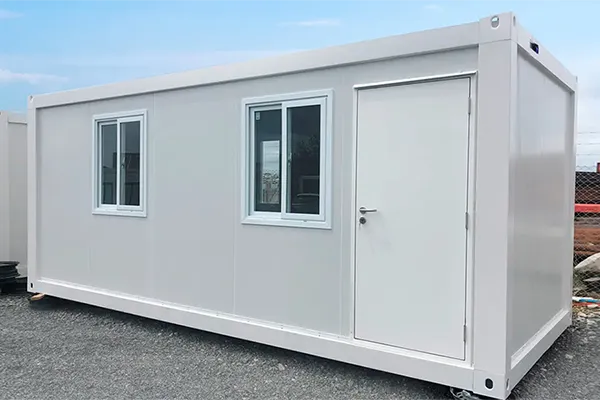


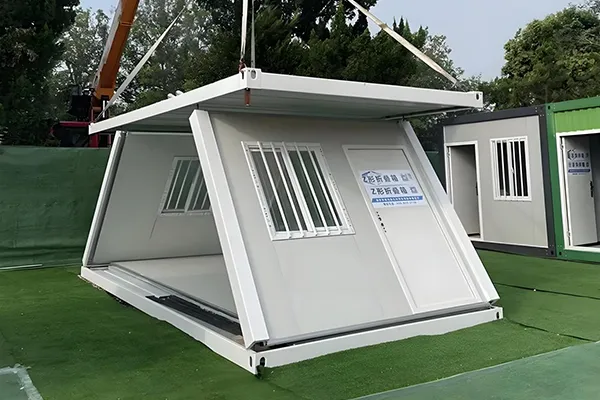

KUBO does not apply one universal overseas-delivery package to every modular-building project. We define the delivery scope from the project requirements and drawings available for review, the selected modular system and approved configuration, quantities, destination, buyer requirements, appointed freight arrangement, agreed trade term and the point where responsibility is handed over.
For a buyer comparing quotations, this means the shipping line on a proposal should not be read in isolation. The quotation needs to establish what KUBO is supplying, how the approved building package will be prepared for shipment, who is arranging freight, what export documentation is required for the agreed shipment, where handover occurs and which destination-side activities remain with the buyer, importer or appointed local parties.
What KUBO Confirms Before Quoting the Delivery Scope
The delivery basis starts with the project itself. KUBO prepares the quotation from the project requirements and drawings available for review. Logistics planning is therefore connected to the building configuration rather than treated as a separate generic freight exercise.
The information below helps establish a quotation basis that can later be carried through into packing, loading and shipment coordination.
| Buyer input | Why it changes the delivery scope | What is recorded |
|---|---|---|
| Project requirements and drawings | They define the building package being reviewed and quoted. | Quotation scope and project basis. |
| Selected modular system and configuration | Packing and loading depend on the system and approved configuration. | Configuration used for shipment planning. |
| Quantities | Shipment planning changes with the number and combination of modules or components. | Quoted quantities and packing basis. |
| Destination port or project site | The destination affects freight coordination and the required handover arrangement. | Named destination used for the agreed scope. |
| Preferred trade term | It determines where specific transport responsibilities are allocated. | Trade term in the quotation or contract. |
| Customer-appointed forwarder, if any | KUBO can coordinate with a forwarder appointed by the customer. | Forwarder arrangement and relevant handover interface. |
| Target delivery sequence | A phased or sequenced project can affect shipment planning and release coordination. | Agreed shipment or release basis where applicable. |
| Furniture request | Furniture is not automatically included in the base building quotation. | Separate furniture quotation when requested. |
| Site-receiving plan | Destination unloading, local transport and site activities need assigned parties. | Receiving interfaces relevant to the agreed scope. |
This process sits within the wider KUBO modular project workflow. For larger camp packages, buyers can also use the modular camp supply-scope matrix to separate building supply from the other packages and local activities surrounding the project.
The KUBO Overseas Delivery Workflow
Once the project basis is sufficiently clear for quotation and logistics planning, the overseas-delivery process normally moves through a sequence of connected decisions. The exact path changes with the selected modular system, approved configuration and written contract scope.
- Project and drawing review. KUBO reviews the available project requirements and drawings to establish the building package that the quotation is based on.
- Quotation scope definition. The quotation records the relevant supply scope, selected trade term, destination basis and handover point. Separately requested items, including furniture, are handled accordingly.
- Configuration and packing basis. Packing and loading are planned against the selected modular system, approved configuration, quantities and shipment plan rather than a fixed universal loading assumption.
- Booking and forwarder coordination. Freight may be arranged according to the agreed quotation, or the customer may appoint its own freight forwarder. KUBO coordinates the shipment interface with the relevant appointed party.
- Export document preparation. KUBO prepares the export documents required for the agreed shipment, with the actual document set confirmed according to the shipment requirements.
- Factory release and loading. The building package is released and loaded according to the approved configuration and shipment plan.
- Handover at the agreed point. Responsibility is transferred at the location and under the trade arrangement recorded in the quotation or contract.
For projects using flat-pack systems, container planning should be based on the actual configuration rather than an assumed standard quantity. Our article on flat-pack loading-quantity planning explains why configuration and packing assumptions need to be reviewed before a container figure is treated as a project number.
Who Is Responsible at Each Interface?
A useful delivery scope makes the interfaces visible. It should show not only what KUBO does, but also where the buyer, importer, forwarder, carrier and site team need to take over.
| Party or interface | Typical role in the agreed delivery process |
|---|---|
| KUBO | Prepares the project-based quotation, coordinates the agreed packing and loading basis, prepares applicable export documents for the agreed shipment, and completes handover at the point stated in the quotation or contract. |
| Buyer / importer | Confirms the destination, trade requirement, receiving arrangement and other buyer-side interfaces, and arranges the responsibilities assigned to it under the written scope. |
| Customer-appointed freight forwarder / carrier | May coordinate freight directly with KUBO when appointed by the customer. Use of the buyer’s own forwarder is acceptable. |
| Local / site team | Handles destination activities assigned locally, which may include inland transport, unloading, cranes, foundations, utilities, local labor or installation according to the project arrangement. |
Import clearance, duties and taxes, destination-port charges, inland transport, unloading, cranes, foundations, utilities, local labor and site installation are not automatic KUBO inclusions. Their allocation is controlled by the agreed quotation or contract and the local parties appointed for the project.
This separation becomes especially important when comparing the supplier quotation with the complete delivered project budget. Our modular-building landed-cost reconciliation guide addresses the difference between quoted supply scope and the additional cost interfaces that may appear between origin and the final site.
What the Quotation Does and Does Not Include
KUBO prepares the quotation from the project requirements and drawings available for review. Buyers should therefore check that the quotation reflects the configuration they actually intend to procure before using its freight or delivery terms as a comparison point.
If furniture is required from KUBO, it is quoted separately when requested. Furniture should not be assumed to form part of the base modular-building quotation merely because rooms, offices, accommodation or other occupied spaces appear on the project drawings.
Destination-site installation is outside the contract scope described for this process. Any separate installation support would need to be expressly agreed rather than treated as an included destination service.
The same principle applies to freight and destination logistics. Whether KUBO is coordinating a particular transport leg, whether the buyer is using its own forwarder, and where the supplier’s delivery responsibility ends should all be determined from the written trade term, handover point and agreed scope rather than from assumptions about how previous projects were shipped.
Export Documents Follow the Agreed Shipment
KUBO prepares the export documents required for the agreed shipment. There is no single document package that should be assumed to apply unchanged to every destination, shipment or project.
Depending on the agreed shipment, the working document set may include a commercial invoice, packing list, shipment or transport data and other agreed supporting export documents where applicable. The actual set is confirmed for the shipment rather than promised as a universal list.
Buyers planning their internal approval or import process can review our separate modular-building shipping-document guide, while the appointed importer and freight parties should confirm the documents needed for the destination-side process.
What the Buyer Should Confirm Before Shipment
By the time a shipment is being prepared, the commercial scope and the logistics interfaces should point to the same project configuration. A practical KUBO shipment review should therefore confirm:
- the project and drawing revision on which the supplied building package is based;
- the selected modular system, approved configuration and final shipment quantities;
- the destination port, terminal or other handover location stated in the agreed scope;
- the trade term and handover point recorded in the quotation or contract;
- whether KUBO is coordinating freight under the agreed scope or the customer is using an appointed forwarder;
- the forwarder’s contact and shipment interface information when the customer appoints one;
- the intended shipment or delivery sequence where project phasing affects release planning;
- the packing and loading basis associated with the approved configuration;
- the export document set required for the agreed shipment;
- whether separately requested furniture has been quoted and included in the relevant order scope;
- which party will manage import clearance and destination charges;
- who will arrange inland transport, unloading and cranes after handover where required; and
- which local parties are responsible for foundations, utilities, labor and site installation.
Where the handover point is not the final construction site, the remaining movement also needs to be planned as a distinct project interface. The port-to-site logistics planning guide covers this downstream stage in more detail.
Frequently Asked Questions
Can we use our own freight forwarder?
Yes. A customer may appoint and use its own freight forwarder. KUBO can coordinate the relevant factory, shipment and handover interfaces with the appointed party according to the agreed quotation or contract.
Is furniture included in the modular-building quotation?
Not automatically. If the customer asks KUBO to supply furniture, the furniture is quoted separately. The buyer should confirm that the required furniture scope appears in the relevant quotation rather than assuming it is included with the building.
Does KUBO install the buildings at destination?
Destination-site installation is outside the contract scope described here. If separate installation support is required, it must be expressly agreed. Local labor, cranes, foundations, utilities and other site activities should be assigned according to the written project scope.
Is the handover point always the same?
No. The trade term and handover point are selected according to the customer’s requirements and recorded in the quotation or contract. Buyers should compare quotations using the stated handover point rather than assuming different suppliers are pricing the same delivery responsibility.
Define the Delivery Scope Before Comparing Quotations
An overseas modular-building quotation is more useful when the building scope and logistics scope are defined together. Two quotations can appear similar while assigning freight, handover and destination responsibilities very differently. The practical comparison is therefore not only the quoted amount, but also the approved project basis, included supply, shipment arrangement and exact point where responsibility transfers.
To prepare or review a KUBO delivery scope, send us the project requirements and available drawings, destination, preferred trade term, appointed freight-forwarder information if you already have one, and the required handover point. KUBO can then review those inputs against the proposed modular-building package and define the relevant quotation and delivery interfaces. Use the KUBO project inquiry form to submit the project information for review.