

After you send KUBO your project requirements, we do not move directly from inquiry to factory production. The project normally progresses through input review, an initial system direction, commercial and technical clarification, drawing and material release, production, inspection, shipment preparation and the installation support agreed for the project.
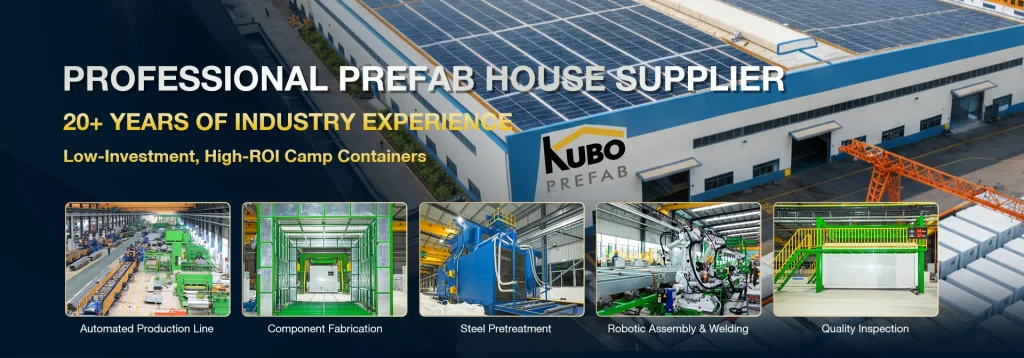
The exact sequence depends on the modular system, project scope, approvals, destination, batch plan, logistics and contract. KUBO’s role is to translate confirmed project inputs into a workable modular building scope and coordinate the information needed to move each stage forward. Buyers can also review our factory and project delivery capability for broader company context.
How the KUBO Modular Project Workflow Progresses
The workflow below shows what typically starts each stage, what KUBO does or coordinates, what the buyer confirms and what output may result. It is a project path rather than a fixed schedule.
| Stage | What starts it | What KUBO does or coordinates | What the buyer confirms | Typical output |
|---|---|---|---|---|
| Initial RFQ | A project inquiry with basic location, intended use and quantity or layout needs | Reviews the request and identifies the project context | Basic project objective and known requirements | Initial project review |
| Project input review | Sufficient information to understand the intended application | Reviews location, climate, quantity, building functions, delivery sequence, installation method and known approval requirements | Available project inputs and major constraints | System direction, missing-input list and recommended next step |
| System direction and preliminary layout | Confirmed basic functions and project arrangement | Develops a suitable system direction and, where applicable, a preliminary layout | Functional arrangement, quantity and major layout assumptions | Preliminary layout and configuration basis |
| Quotation and scope clarification | A sufficiently defined preliminary configuration | Aligns the proposed supply scope, relevant options and commercial basis with available project information | Scope baseline, exclusions, options and commercial assumptions | Quotation and clarified project scope |
| Technical development and revisions | Buyer feedback and further technical inputs | Develops and revises project information based on confirmed requirements | Technical changes, functions and required revisions | Updated drawings, specifications or related project information as applicable |
| Design/BOM release | Required drawings, specifications and material requirements are approved for production | Translates the approved project basis into released production information | Approved-for-production information | Released drawings, specifications and bill of materials or material requirements |
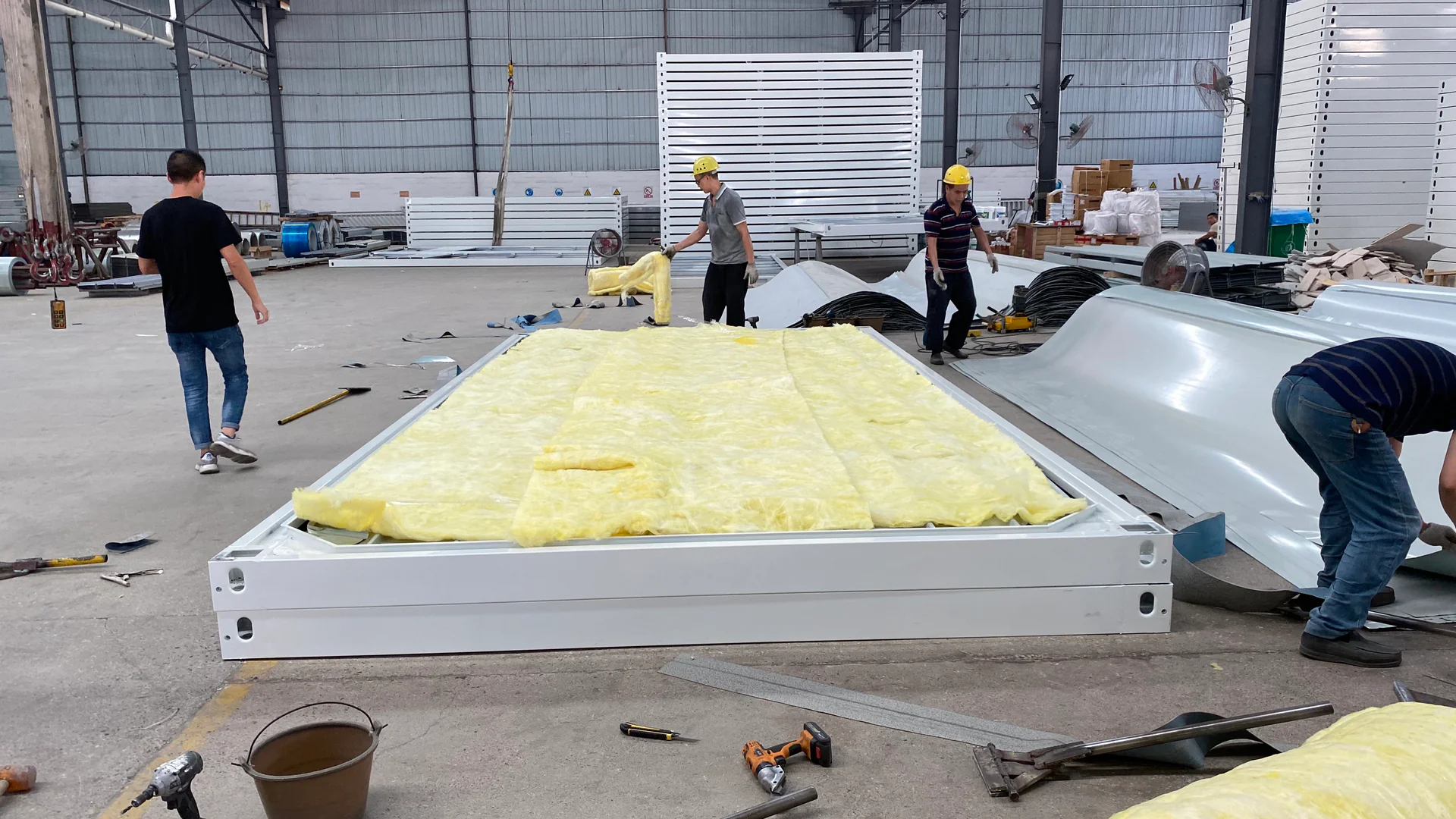
| Production | Released production information | Fabricates, assembles and controls production against released drawings, materials and batch requirements | Any remaining project decisions under the agreed scope | Manufactured project batch |
| Inspection and shipment release | Finished goods reach the applicable inspection stage | Checks the batch against governing revisions, quantities, accessories, packing and required documents under the agreed inspection basis | Any buyer approval required by the agreed inspection plan | Shipment release decision |
| Packing and shipping documents | The inspected batch is prepared for dispatch | Coordinates packing and applicable shipment documentation | Shipping instructions and destination information within the agreed scope | Packed shipment and applicable shipping documents |
| Site handover and installation support | Goods arrive and the destination is ready for activities assigned under the contract | Provides applicable manuals, agreed remote support or project-specific destination installation support where included | Site readiness and local responsibilities | Agreed handover and installation-support activities |
The practical value of this sequence is that each stage has a clear trigger. Early information is used to shape the project direction; confirmed scope supports quotation and technical development; released information governs production; inspection supports shipment release; and agreed site responsibilities guide the handover. This makes it easier for procurement, technical, logistics and site teams to see which decision is needed next without requiring every project detail to be final at the RFQ stage.
What KUBO Needs in the First Project Brief
You do not need complete engineering data before contacting KUBO. The first brief only needs enough information for us to understand the project, identify a suitable direction and determine what should be clarified next.
Must-have inputs
- Project location: country, region or site context sufficient to understand the destination.
- Intended use: such as accommodation, office, sanitary, dining or another required building function.
- Quantity or layout requirement: known unit quantities, room requirements, occupancy needs or an available layout brief.
- Target delivery window: the timing expectation the delivery sequence needs to support.
Helpful-later inputs
- Climate and environmental conditions relevant to the project.
- More detailed room, building or functional schedules.
- Known approval or documentation requirements.
- Installation method and expected local work arrangement.
- Delivery sequence or batch requirements.
- Technical requirements that become available as the project develops.
For a more structured inquiry, see our guide to modular building tender specifications and RFQ inputs.
From Preliminary Layout to Production Release
An early project direction helps the buyer and KUBO organize the project before detailed production information is released. A preliminary layout can support option comparison, scope confirmation and a conditional quotation. It is not authorization to manufacture, build foundations, install utilities or secure local approval.
Customer drawings, reference layouts and written project requirements are inputs to KUBO’s review. What they contain—such as dimensions, room functions, quantities, openings, material requirements and electrical, plumbing or HVAC interfaces—determines how we develop the proposed modular system, layout and supply scope. If an input is missing or unclear, the affected part of the solution remains subject to clarification rather than assumption.
As the project develops, KUBO translates approved inputs into the applicable system selection, layouts, building functions and production requirements. Buyers who need to distinguish early planning information from production-stage design can review our explanation of preliminary camp layouts versus final construction drawings.
Three Buyer Confirmations That Keep the Project Moving
1. Confirm the quotation and scope baseline
Before detailed execution advances, both sides need a common understanding of the proposed supply. The buyer should confirm the modular building configuration, relevant options, known exclusions and the commercial assumptions supporting the quotation. Where a camp includes multiple building or service elements, our modular camp supply scope guide helps separate building supply from other project responsibilities.
2. Confirm the approved-for-production information
Production should follow released project information rather than an earlier concept. The buyer’s confirmation establishes the governing drawings, specifications and bill of materials or material requirements that the factory will use for fabrication, assembly and inspection.
3. Confirm shipment and site readiness
Before dispatch and site activities, the project needs alignment between the inspected batch, packing, shipping instructions, destination requirements and the local responsibilities defined in the signed scope. This helps connect factory release with the destination team’s readiness to receive and handle the shipment.
What Can Proceed in Parallel, and What Normally Must Wait
Some workstreams can move together. While technical details are being refined, KUBO and the buyer may also clarify commercial scope, review layout options, identify document requirements, discuss packing or logistics considerations and define the expected installation approach.
Other actions depend on formal release points. Factory production starts after the required drawings, specifications and bill of materials or material requirements are released. Shipment release follows the applicable inspection gates and the check of governing revisions, quantities, accessories, packing and required documents.
Production, Inspection and Shipment Release
Once production information is released, factory teams fabricate, assemble and inspect against the applicable drawings, materials and batch requirements. KUBO quality control uses practical gates through material verification, production process control, finished-goods acceptance and pre-shipment or loading supervision. Project specifications, contracts and agreed inspection plans take precedence.

Pre-shipment inspection is a batch release decision tied to the governing revisions, quantities, accessories, packing and required documents. It is not destination acceptance. Buyers preparing for this stage can use our modular building pre-shipment inspection checklist.
After release, shipment documentation should connect the purchased scope, approved revisions, inspected goods, physical packages and destination receipt. The applicable document set varies by project and shipment. Our guide to modular building shipping documents explains this handover in more detail.
Site Handover and Installation Support
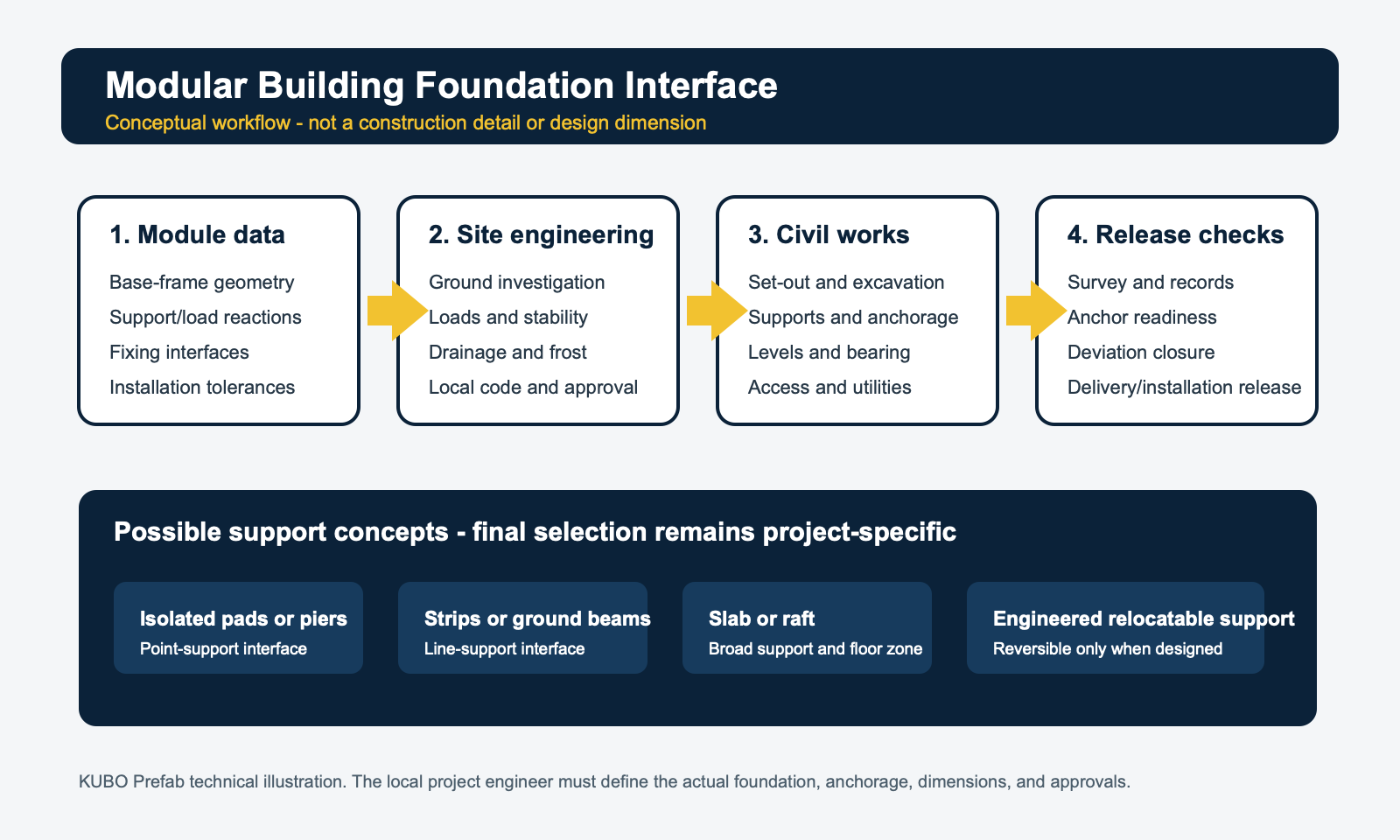
Module supply does not automatically include foundations, local labor, cranes, utilities or complete on-site installation. Depending on the signed project scope, KUBO may provide applicable manuals, agreed remote support and project-specific destination installation support.
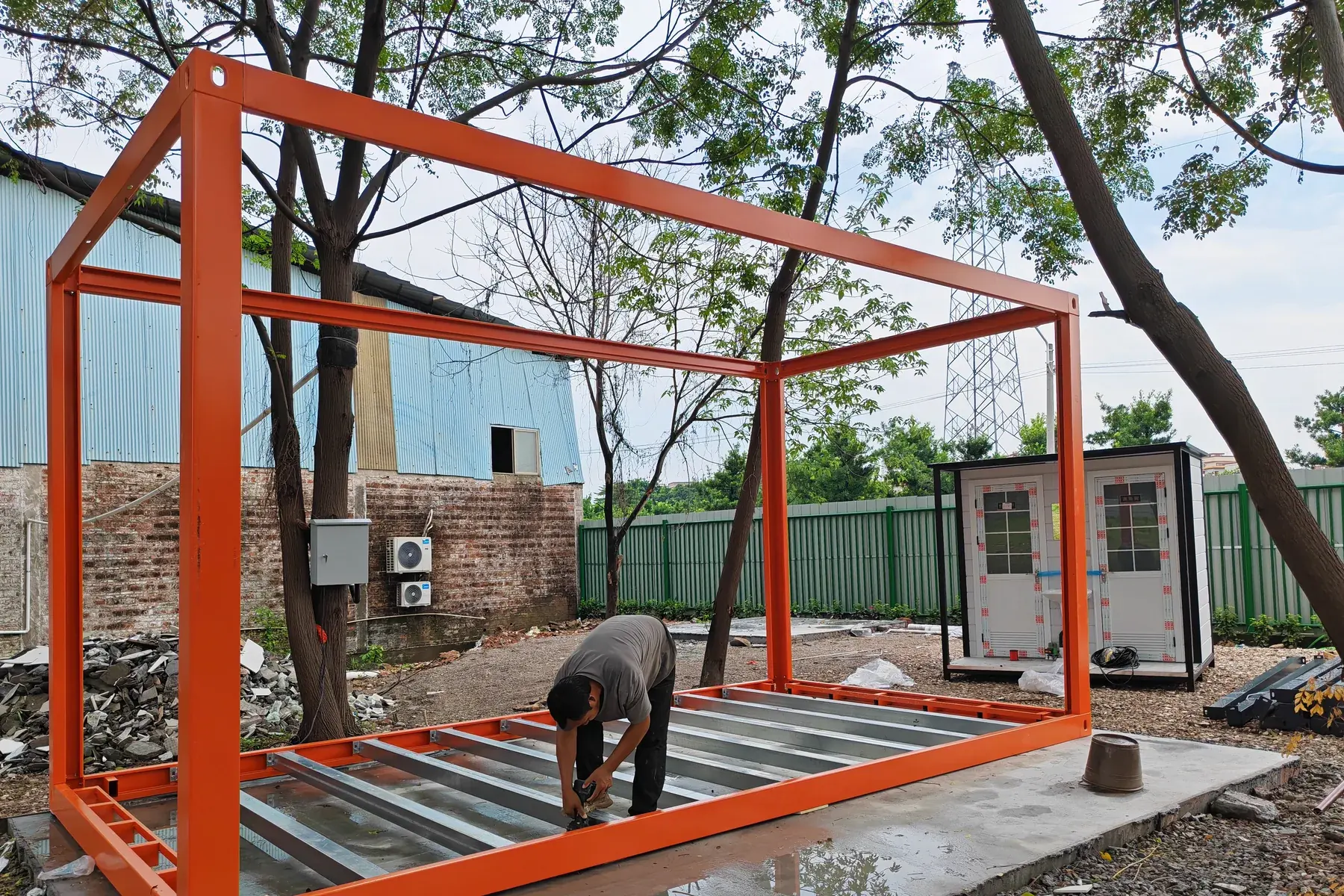
The signed scope assigns local work and responsibilities. Buyers can review our guide to modular camp installation responsibilities when defining the interface between supplied modules and destination work.
What Changes From Project to Project?
The overall RFQ-to-delivery path remains recognizable, but execution changes according to the project. Variables can include:
- the modular system selected for the application;
- the level and type of customization;
- the drawings and document set required;
- the agreed inspection plan and release points;
- packing and shipping methods;
- the type of installation support included; and
- local work, approvals and responsibilities.
These elements are confirmed through project clarification so the workflow can remain structured while the deliverables match the approved project scope.
Frequently Asked Questions
Can KUBO quote before all engineering data is final?
Yes, when the available information is sufficient to establish a preliminary configuration and commercial basis. An initial brief can lead to a suitable system direction, a list of missing technical inputs and a recommended next step. A preliminary layout may also support a conditional quotation while later technical details are still being developed.
When does production start?
Factory production starts after the required drawings, specifications and bill of materials or material requirements are released. Those released items become the basis for fabrication, assembly and production inspection.
Does KUBO install the buildings on site?
Installation support depends on the signed project scope. KUBO may provide applicable manuals, agreed remote support or project-specific destination installation support. Foundations, local labor, cranes, utilities and complete on-site installation are not automatic inclusions.
What happens if requirements change after approval?
Because the proposed solution is based on the customer’s drawings and project requirements, a later change can affect the system, layout, materials, openings, MEP interfaces or supply scope. KUBO reviews the changed input against the approved project basis, released production information and current project status, then identifies which drawings, specifications, materials, production activities or related scope need to be reconsidered before the project continues on the revised basis.
Start With a Practical Project Brief
Send KUBO your project location, intended use, quantity or layout requirement and target delivery window for an initial project review. We can use those inputs to review the project direction, identify the next technical information needed and define the appropriate next step toward layout, specification and quotation.