

A large modular project does not automatically need a physical sample before repeated production. Depending on the project, the required validation may be completed through drawings, material and finish samples, defined inspection points, a room mock-up, a complete sample unit or the review of the first completed production unit.
When a physical mock-up or sample is useful, KUBO coordinates the approach around the specific customer requirements and project agreement. The important question is not simply whether a sample will be built. The project team needs to define what that sample represents, which drawings or material information it is reviewed against, what acceptance criteria apply, how comments are closed, who can approve the result and which repeated production scope can proceed after that approval.
When Does a Modular Project Need a Mock-Up or Sample Unit?
A mock-up is most useful when physically reviewing part of the project can resolve decisions that are difficult to finalize from drawings and specifications alone. This becomes particularly relevant when one approved configuration will be repeated across a large number of rooms or modules.
For example, a project may benefit from physical validation when the customer wants to review room proportions, finishes, equipment clearances or the relationship between several visible components before repeated production begins. A project with multiple service interfaces may also use a sample to confirm how agreed electrical, plumbing or HVAC connection points are arranged within the represented scope.
Similar considerations can apply to furniture layouts, doors and windows, connection details between assemblies, visible workmanship or customer use of a representative room. None of these conditions automatically means that a full sample module is necessary. A smaller room mock-up, selected finish samples, drawings or a first completed unit may provide sufficient validation depending on the decision that needs to be made.
This is why the sample strategy should follow the project decision rather than the other way around. Before production preparation reaches this stage, the customer should already have supplied the key project information needed to develop the solution. Our guide to project information required before quotation explains the inputs that help establish that technical basis.
Choose the Validation Method Before Building the Sample
The validation method should be selected according to what still needs confirmation. Several methods can also be combined. A finish sample may resolve a material decision, while a room mock-up confirms layout and clearances. On another project, the first completed production unit may be the practical review point.
| Validation option | When it may be useful | What must be defined |
|---|---|---|
| Drawings and schedules | When dimensions, layouts, quantities and interfaces can be adequately reviewed before fabrication | Applicable drawing revision, represented scope and approval requirements |
| Material or finish samples | When colour, surface, finish or selected material characteristics need review | Sample identity, applicable location and acceptance basis |
| Room mock-up | When one repeated room type needs physical layout or visual review | Which room is represented and which components are included |
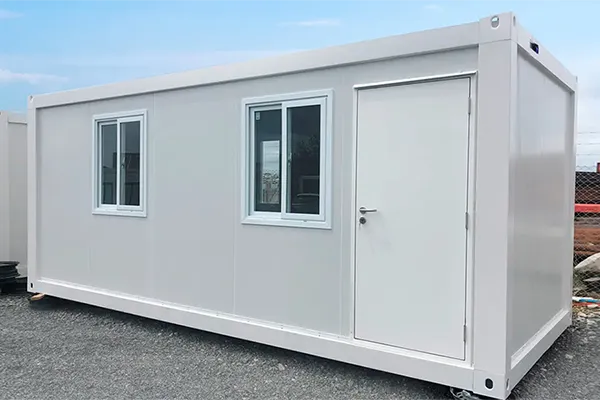
| Sample unit | When a fuller module-level review is useful before repetition | Drawing/BOM baseline, included systems, finishes and review criteria |
| Inspection points | When selected production stages need review without constructing a separate sample | Inspection stage, inspected items, participants and closure method |
| First completed unit | When the first production unit can serve as the agreed physical reference | Represented configuration, review timing and release condition |
KUBO reviews the customer requirements and available drawings, develops the project solution and coordinates the validation approach applicable to that project. This validation step sits within a wider sequence of technical review, solution development and production preparation described in the KUBO modular project workflow.
What the Customer and KUBO Define Together
Once a mock-up, sample room, sample unit or first-unit review has been selected, its scope needs to be specific enough that all participants understand what they are reviewing. Only items relevant to that project and that sample should be included.
Practical Sample-Scope Checklist
- Function and occupancy: the intended use of the represented room or module and the occupancy assumptions relevant to its configuration.
- Dimensions and layout: the dimensions, room arrangement, access areas or internal clearances included in the review.
- Materials and finishes: the applicable wall, ceiling, floor, trim or other finish selections represented by the sample.
- Doors and windows: the applicable types, sizes, positions, opening arrangements and visible finishes.
- Electrical, plumbing and HVAC interfaces: only the service points, fixtures or interfaces included within the agreed sample scope.
- Furniture and equipment: included items where they form part of the project supply or are necessary for clearance and interface review.
- Visible workmanship: the visible assembly details that the agreed review is intended to assess.
- Connection and interface points: relevant module, service or equipment interfaces represented in the sample.
- Review method: how the sample will be reviewed and against which agreed information.
- Approval authority: who is authorized to provide the project approval for the represented scope.
- Change closure: how comments or agreed changes will be recorded and confirmed where required.
- Release condition: what needs to be completed before the represented repeated scope moves forward.
The applicable drawing, BOM or material information should also be identified as part of this baseline where relevant. If customer inputs change, KUBO reviews the affected solution information again rather than assuming that an earlier sample approval automatically applies to the revised requirement.
From Sample Review to Repeated Production
A useful sample process creates a controlled connection between technical validation and repeated production. The sequence can be kept straightforward:
- Define the purpose. Identify the decision the mock-up or sample is expected to resolve.
- Agree the represented scope and baseline. Confirm the applicable drawings, BOM, materials, finishes, interfaces or other project information.
- Build or prepare the agreed sample. This may be a room mock-up, complete sample unit or first completed unit depending on the agreed method.
- Review against the agreed criteria. The participants assess only the items intended to be represented by that validation stage.
- Record comments where required. Project comments or punch items are documented using the method agreed for that project.
- Close accepted changes. Relevant project information is updated or confirmed according to the agreed comments.
- Confirm the approved baseline. The project team establishes which information and represented items have been accepted for repetition.
- Release only the agreed repeated scope. Production proceeds according to the release conditions established for the project.
For larger EPC or workforce accommodation projects, this type of pre-production alignment can sit alongside broader production-control requirements. The EPC modular production-control overview provides additional context for teams managing repeatable factory-built project packages.
What a Sample Approval Does Not Automatically Cover
An approved sample becomes the relevant production reference only to the extent agreed for that project. Approval of one visible room or module does not automatically confirm items that were outside the represented scope.
For example, concealed work that was not part of the review, different module variants, unrepresented materials, later substitutions or interfaces outside the sample need to be controlled through the applicable project information and review process. The same principle applies when the batch contains several room types rather than one identical repeated module.
A sample approval also does not replace local approvals, site-specific work or responsibilities assigned to other project parties. Site installation conditions, local authority requirements and downstream works remain subject to the actual project arrangement.
Nor does approving one sample mean that every subsequent production unit has been individually accepted. Batch production and final shipment may still have their own inspection requirements. For that later project stage, see the modular building pre-shipment inspection checklist.
Questions to Settle in the Quotation or Project Agreement
Because sample requirements affect engineering, materials, production planning and sometimes logistics, the practical arrangements should be addressed in the quotation or project agreement when they are relevant.
- Who is responsible for the cost of the mock-up, sample room or sample unit?
- Where will the review take place?
- Does the sample need to be transported to another location?
- Which customer, consultant, EPC or inspection representatives are expected to attend?
- Who has authority to approve the represented scope?
- How will comments or punch items be communicated?
- What closeout information is acceptable for agreed changes?
- What must be completed before the represented repeated production scope is released?
There is no universal answer to these questions. Commercial treatment, review arrangements, transport, timing and approval procedures are determined for the individual project. For projects with many repeated accommodation units, the workforce camp buying checklist can also help procurement teams identify information that should be resolved before production commitments are finalized.
Frequently Asked Questions
Does every project need a sample unit?
No. Depending on the project and customer requirements, validation may rely on drawings, schedules, material samples, inspection points, a room mock-up or the first completed unit. A physical sample should be used when it helps resolve a defined project decision.
Can the sample be one room instead of a full module?
Yes, when one room adequately represents the items that need physical review. The project team should define exactly which dimensions, finishes, components and interfaces that room is intended to represent.
What happens if the customer changes requirements after approval?
KUBO reviews the affected solution information again. Changes to layout, materials, finishes, services or interfaces may affect the previously agreed baseline, so the impact is assessed according to the revised customer input and project arrangement.
Does approving one sample approve the whole production batch?
No. Approval applies to the represented scope and agreed production baseline. It does not automatically approve unrepresented variants, concealed items, later substitutions or every individual unit produced afterward.
Define the Sample Requirement With KUBO
If your modular project is approaching technical validation or pre-production, send KUBO the project requirements, available drawings, repeated room or module types, key finishes and the interfaces that need confirmation. It is also useful to identify the intended approval participants and the specific decisions the sample is expected to resolve.
We can review that information and determine with your team whether drawings, finish samples, a room mock-up, a sample unit, inspection points or a first completed unit provide the most appropriate validation route for the project. Use the KUBO project inquiry form to share the available project information and discuss the required pre-production review approach.