

Summary
Some KUBO modular building configurations can be dismantled, folded, transported or otherwise prepared for another deployment. The appropriate relocation method depends on the building system and its exact approved configuration. Reuse is possible for suitable buildings, but it is not automatic.
Before a second deployment, owners should review module identification, current condition, dismantling and handling requirements, transport arrangements, the proposed new use, site conditions, foundations or supports, utility connections and local acceptance requirements. KUBO does not specify a universal number of relocations for its modular buildings.
For project owners and procurement teams, a KUBO modular building relocation assessment is therefore both an asset-reuse decision and a new-project planning exercise. The objective is to establish what can be retained, what needs replacement and what must be verified before the building enters service again.
What Makes a Modular Building Suitable for Relocation?
Relocatable modular buildings are valuable when facilities are needed at one location for a defined project period and may serve another project afterward. However, a building’s original transportability does not necessarily establish its suitability for later dismantling or redeployment.
Three questions determine whether reuse is practical:
- System and configuration: Was the building designed with detachable connections, folding mechanisms or another transport arrangement that can be used again under an approved handling plan?
- Current condition: Are the structural components, connections, enclosure, openings and installed systems suitable for retention, repair or replacement?
- Second-project requirements: Can the recovered building accommodate the new site’s intended use, layout, environmental conditions, support arrangements and applicable local requirements?
For example, a site office originally installed within a construction compound may be considered for a different project. The receiving site could require another room arrangement, different utility connections or additional local engineering review. These requirements affect the redeployment decision even when the original modules remain in good condition.
KUBO presents six modular building systems with different transport and assembly characteristics. Buyers can begin with the KUBO modular building system comparison before identifying the exact system supplied to their project.
How Relocation Differs Across KUBO Building Systems
The relocation plan should follow the actual building configuration rather than treating every container-style building as interchangeable. Some systems are particularly relevant to planned dismantling and reassembly, while others require a more detailed assessment of connections, handling access and transport feasibility.
| System / relocation form | What normally moves or separates | Critical checks before transport | What must be reviewed for the next project |
|---|---|---|---|
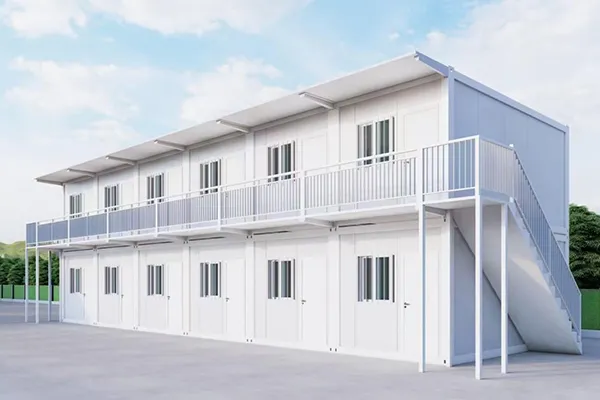
| Detachable Container | Identified frame, roof, floor, wall and connection components may be dismantled and packed according to the approved configuration. | Component coding, connection condition, damage, completeness, packing protection and handling sequence. | Reassembly arrangement, compatible replacement parts, revised layout, supports, utilities and recommissioning requirements. |
| Detachable Flat Pack | Components or assemblies may separate where the specific supplied design supports demounting. | Released connection details, dismantling access, component identification, lifting provisions and packing method. | Reassembly feasibility, component compatibility, site interfaces and any configuration changes. |
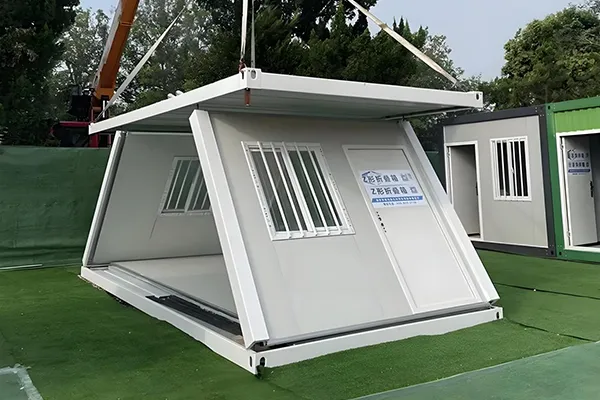
| Folding / Z-Type Folding | Designated folding assemblies may be prepared for transport using the applicable folding and locking sequence. | Hinges, pins, locks, seals, lifting points, panel edges and visible deformation. | Deployment condition, locking and sealing, intended use, supports, utility reconnection and local requirements. |
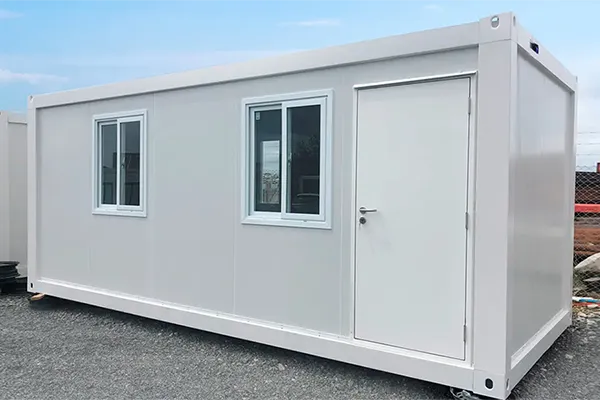
| Flat Pack | Factory-prepared roof, floor, frame and wall components are assembled at destination; later separation depends on the configuration. | Connection accessibility, identification records, dismantling feasibility and component condition. | Suitability for reassembly, replacement requirements, revised connections and receiving-site conditions. |
| Expandable or more integrated configurations | Movement or separation depends on the confirmed design, installed interfaces and approved handling plan. | Expansion mechanisms where applicable, structural connections, lifting provisions, attached services and transport dimensions. | Transport feasibility, redeployment method, space requirements, supports, utilities and local engineering acceptance. |
Detachable Container: Planned Demountability and Reconfiguration
KUBO Detachable Container buildings provide a particularly relevant starting point for owners considering planned modular building reuse. Their detachable arrangement supports a structured process covering asset coding, condition inspection, protected packing, reassembly and recommissioning.
Identification is important because individual components must remain traceable to the correct module and released configuration. Replacing a damaged component also requires a compatibility check rather than assuming that visually similar parts are interchangeable.
Folding Container: Deployment, Storage and Redeployment
KUBO Folding Container buildings can support temporary deployment and subsequent storage or redeployment where their configuration and condition permit.
Before another folding cycle, owners should examine hinges, pins, locks, seals, lifting points and panel edges. Transport preparation must follow the applicable handling requirements, and the building should be inspected after unfolding and before renewed occupancy.
Flat Pack: Assembly Method Does Not Automatically Establish Reuse
KUBO Flat Pack buildings arrive as factory-prepared roof, floor, frame and wall components for assembly at their destination.
A later relocation requires confirmation that the installed configuration can be dismantled safely and that its components remain suitable for reassembly. Site modifications, missing identification records or inaccessible connections may change the proposed method.
Where Modular Building Reuse Matters Across Industries
The decision to retain or redeploy modular buildings applies to many project environments. What changes between industries is the intended use, receiving-site specification and operational handover requirement.
- Mining projects: Accommodation, offices and support buildings may be reviewed when an operating area changes or a temporary camp closes.
- Oil, gas and pipeline projects: Facilities used during construction or temporary field operations may be evaluated for another work location.
- EPC, construction and infrastructure: Site offices, meeting rooms and workforce facilities may be considered for subsequent contracts.
- Education and healthcare: Temporary classrooms, administrative rooms or support facilities require renewed review of their intended function and local requirements.
- Commercial and hospitality: Modular offices or guest-related facilities may require a different layout, access arrangement or service configuration.
- Emergency and public facilities: Redeployment decisions may depend on deployment readiness, receiving-site conditions and applicable acceptance procedures.
These scenarios illustrate potential owner decisions, rather than completed KUBO relocation projects. For energy-sector teams dealing specifically with camp reductions, the renewable-energy camp downsizing and relocation guide addresses additional sector-specific planning considerations.
Seven-Step Modular Building Relocation Workflow
A structured workflow helps owners preserve useful assets while establishing the technical, logistical and commercial requirements of a second deployment.
-
Identify the exact building and released configuration.
Record the KUBO system, module identification and available approved drawings, packing lists and component records. Confirm whether the installed arrangement matches those records, including later modifications, joined modules or additional site-installed items.
-
Define the second project’s use and location.
Establish the destination, intended building functions, required layout, quantity and target operational date. Compare the proposed requirements with the existing building arrangement before committing to transport or refurbishment expenditure.
-
Inspect the current condition before dismantling.
Photograph and document connections, structural members, roof and wall enclosure, doors, windows, wet areas and visible service interfaces. Record damaged, missing or modified components while their installed positions remain identifiable. The modular building maintenance guide provides a useful framework for condition inspection and escalation.
-
Confirm service isolation and responsibility boundaries.
Identify the local parties responsible for safely isolating electrical, water, drainage and other installed services. Establish who will arrange engineering review, permits, dismantling personnel, lifting equipment and site access. These responsibilities should be confirmed before physical work begins.
-
Plan dismantling, folding, lifting, packing and transport.
Use the handling method applicable to the identified configuration. Establish component coding, packing protection, transport dimensions, route constraints, lifting arrangements and storage conditions. Protect reusable parts from damage and preserve their identification throughout movement.
-
Review the receiving site’s engineering and acceptance requirements.
Confirm the new site’s loads, environmental conditions, foundations or supports, access, utility connections and applicable local approvals. The original project’s acceptance cannot automatically be transferred to another location or use. Required design changes should be resolved before reassembly.
-
Redeploy, inspect and hand over.
Reassemble or deploy the building using the approved configuration and competent local resources. Replace damaged, missing or incompatible components as required. Complete relevant inspections, utility checks, commissioning and local acceptance before returning the building to operation. Retain updated records for future maintenance and asset management.
What Information Should Buyers Prepare for a Relocation Review?
Owners do not need to complete every engineering decision before contacting KUBO. A clear record of the existing asset and proposed destination is enough to begin discussing product-side feasibility.
Useful initial information includes:
- Building system name, module identification and existing module quantity.
- Available approved drawings, packing lists and component records.
- Current location, operating history and known modifications.
- Condition photographs showing connections, roof and envelope, openings, wet areas and visible service interfaces.
- Next-site country, location and intended building use.
- Required layout, module quantity and target deployment date.
- Available transport route, lifting arrangements, storage facilities and local assembly resources.
- Known climate, loading, foundation or support, utility and local approval requirements.
These records also help identify replacement requirements. Spare parts should be matched to the module identity, released documentation and installed component compatibility. The modular camp spare-parts records guide explains how asset identification supports maintenance and replacement planning.
Who Is Responsible for the Second Deployment?
A second deployment involves both factory-related product support and receiving-site execution. These activities should have clearly defined responsibility boundaries in the new project arrangement.
KUBO can review the identified building configuration, available product records, potential replacement components and relevant quotation scope. Depending on the agreed supply arrangement, this may support a decision about retaining existing components or procuring additional items.
Local engineering, permits, foundations, cranes, dismantling, freight, storage, reinstallation, utility work and acceptance remain buyer or locally appointed contractor responsibilities unless specifically included in the quotation.
For a clearer division of work, use the modular camp installation responsibility planning guide when defining the parties, interfaces and deliverables associated with redeployment.
Frequently Asked Questions
Can a KUBO modular building be relocated more than once?
Further relocation may be possible for suitable configurations, subject to condition inspections, component integrity and the intended handling method. Each proposed move should be evaluated individually. KUBO does not specify a universal relocation-cycle limit applicable to every system or configuration.
Can modules from the first project be combined into a different layout?
Potential reconfiguration depends on the building system, released connection details, component compatibility and new layout requirements. Detachable systems provide a useful starting point for such discussions. Any revised arrangement must be reviewed for its structural, service and receiving-site implications before implementation.
Can the second project use the original approvals and drawings?
Original drawings and acceptance records provide valuable reference information, but they do not automatically authorize use at the next site. The receiving project’s location, intended function, loading conditions, supports, utilities and applicable local requirements determine the additional review needed.
Is it better to relocate an existing building or purchase new modules?
The decision depends on recoverable component condition, compatibility with the proposed layout, dismantling and transport requirements, replacement needs and the schedule for the second project. Buyers should compare the complete redeployment scope with the alternative of procuring new buildings, including local works and commissioning in both cases.
Discuss Your Next KUBO Modular Building Deployment
If your existing project is approaching completion, share the current KUBO system and module records, condition photographs, proposed next-site location and intended use, together with your required deployment date.
KUBO can review the product-side configuration, available documentation, potential replacement needs and quotation boundary to support your next-project procurement decision.
Contact KUBO to discuss modular building relocation and reuse for your next project.