

Summary
Choose resale when your team can develop customers and manage a defined building-package sale while the buyer has a capable contractor for destination work. Choose project delivery when you can also control local subcontractors, coordinate site interfaces and fund the agreed work through acceptance. In the modular camp resale vs project delivery decision, a larger customer contract does not automatically produce a stronger business: additional contribution must justify the delivery workload and cash exposure. Compare both routes using the same customer brief, separate factory supply from local obligations, and build your first offer around capabilities your team can actually provide.
Choose the Customer Promise Before Choosing the Partnership Label
A building-material reseller, camp supplier and local contractor may approach the same customer with different commercial strengths. One has established purchasing relationships; another can assemble a local delivery team; a third understands how the customer’s site procurement works. The useful question is which of those strengths can support a clearly priced offer with an identifiable completion point.
A modular camp reseller business model centers on selling an agreed building package. It can include configuration coordination, import arrangements or a defined level of customer support, depending on the contract. Project delivery adds responsibility for integrating that package with specified local work. The distinction is the obligation accepted, rather than whether the business calls itself a dealer, distributor or contractor.
Market access deserves the same attention as technical capability. The International Trade Administration’s representative-selection guidance examines customer coverage, facilities, servicing skills and replacement-parts capability. Written for U.S. exporters, it provides a useful general evaluation lens here, rather than destination law or KUBO eligibility criteria. For a prospective partner, the practical exercise is to identify which relevant customers it can reach and which services it can support with actual people and resources.
KUBO’s dealer and distributor partnership page describes manufacturing, configuration, quotation and drawing coordination within agreed scope, with local customer and site responsibilities assigned separately. The comparison below turns that supply relationship into two possible offers a partner could make to its own customer.
The Same Camp Brief, Offered Two Different Ways
Consider an analytical hypothetical: a customer needs a temporary workforce camp with accommodation, office, sanitary, dining/kitchen and laundry functions. Occupancy and design quantities are deliberately unspecified. This is a business-model comparison, not a KUBO customer case or a completed camp design.
Under the resale route, the customer already has an appointed site contractor. The partner sells the agreed building package and coordinates the information needed to connect factory supply with that contractor’s work. Under the project route, the partner offers the package together with specified local work delivered through a named, qualified local team.
Both routes could use the same building system. A partner does not become a project integrator merely by choosing a more configurable product, and a contractor does not need a different factory package simply because it accepts a broader customer obligation.
| Decision point | Resale of the agreed building package | Partner-led project delivery |
|---|---|---|
| Customer offer and acceptance endpoint | The partner describes the supplied buildings/components and the agreed delivery and goods-acceptance point. The customer separately appoints site delivery. | The partner describes factory goods plus named local works, with completion and acceptance conditions for the combined scope. |
| Concept and drawing coordination | KUBO coordinates agreed factory information. The partner passes customer requirements and revisions between parties; the customer’s local engineer reviews destination interfaces. | The partner coordinates factory information with its local delivery team and the appointed engineer, including the interfaces needed for the offered work. |
| Shipment receiving | The offer names who arranges receiving, unloading, checking and storage. Selling the package alone does not identify those parties. | The partner coordinates receiving activities included in its offer and connects shipment condition records with installation planning. |
| Assembly, civil work and utilities | The buyer’s contractor performs the separately assigned work using coordinated information about the supplied package. | The named local team performs the included work. The partner manages its subcontracted scope, dependencies and customer interfaces. |
| Local review and approvals | The customer identifies its qualified local reviewer and approval route, with factory information supplied as agreed. | The offer identifies who coordinates local review and submissions. Approval decisions remain with the relevant authority. |
| Handover and defect triage | Goods conformity and the partner’s agreed support are addressed separately from site workmanship and utility issues. | The partner coordinates handover for its combined scope and routes issues to the factory, installer or other responsible party. |
Make the Acceptance Endpoint Something the Partner Can Deliver
For resale, the commercially useful endpoint might be delivery and acceptance of specified goods at an agreed location. Its exact meaning needs to be written into the offer: arrival, unloading and inspection are different events. The customer must understand how the supplied goods move into its separately managed installation process.
For project delivery, acceptance may depend on several connected activities. An assembled building can still await a customer-provided utility connection or an unresolved site interface. If that dependency affects completion or payment, the offer should explain how it will be handled. Otherwise, the partner can finish its own work yet remain unable to demonstrate the milestone on which collection depends.
The camp’s functional labels also need translation into deliverables. A dining/kitchen building description does not by itself specify every appliance, service connection or operating arrangement. Each function should be connected to the building content and local work actually offered. Catering, cleaning and camp operations require a separately agreed scope under either model.
Use the Comparison to Produce a First Offer
The first useful output is a concise scope comparison that a customer can respond to. Describe the common building package, identify the endpoint of each offer and show which local activities move into the partner’s responsibility under project delivery. Attach the relevant configuration reference and record unresolved interfaces beside the affected scope.
This gives the customer something concrete to evaluate without turning an initial commercial discussion into an exhaustive qualification exercise. It also makes price differences interpretable: a higher project offer can be connected to added work, coordination and acceptance obligations rather than presented as a premium for the same goods.
Use KUBO Reference Materials to Shape a Sellable Package
KUBO’s partnership materials include representative one-room, multi-room, three-room/two-bath and two-room concepts. Their immediate value is to help a partner discuss room arrangement and factory configuration. They are discussion aids rather than fixed workforce-camp configurations, occupancy approvals or permit documents. A housing-style concept requires review before it is adopted for workforce accommodation.
For the hypothetical customer, a representative multi-room concept could help establish whether the proposed room arrangement matches the accommodation discussion. The partner can identify requested configuration changes and pass them into the factory scope conversation. The local team can separately identify service connections and site works associated with the proposed arrangement. This creates a useful division between configuration decisions and destination execution.
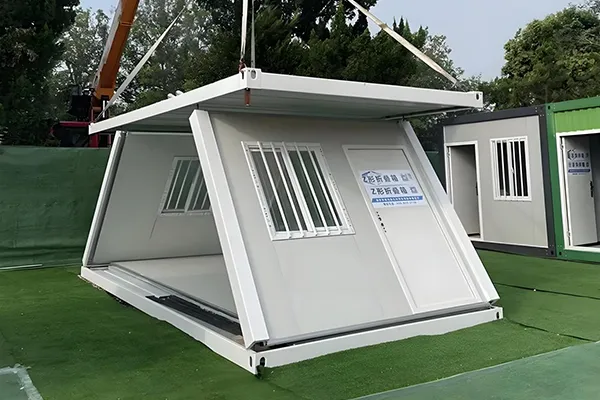
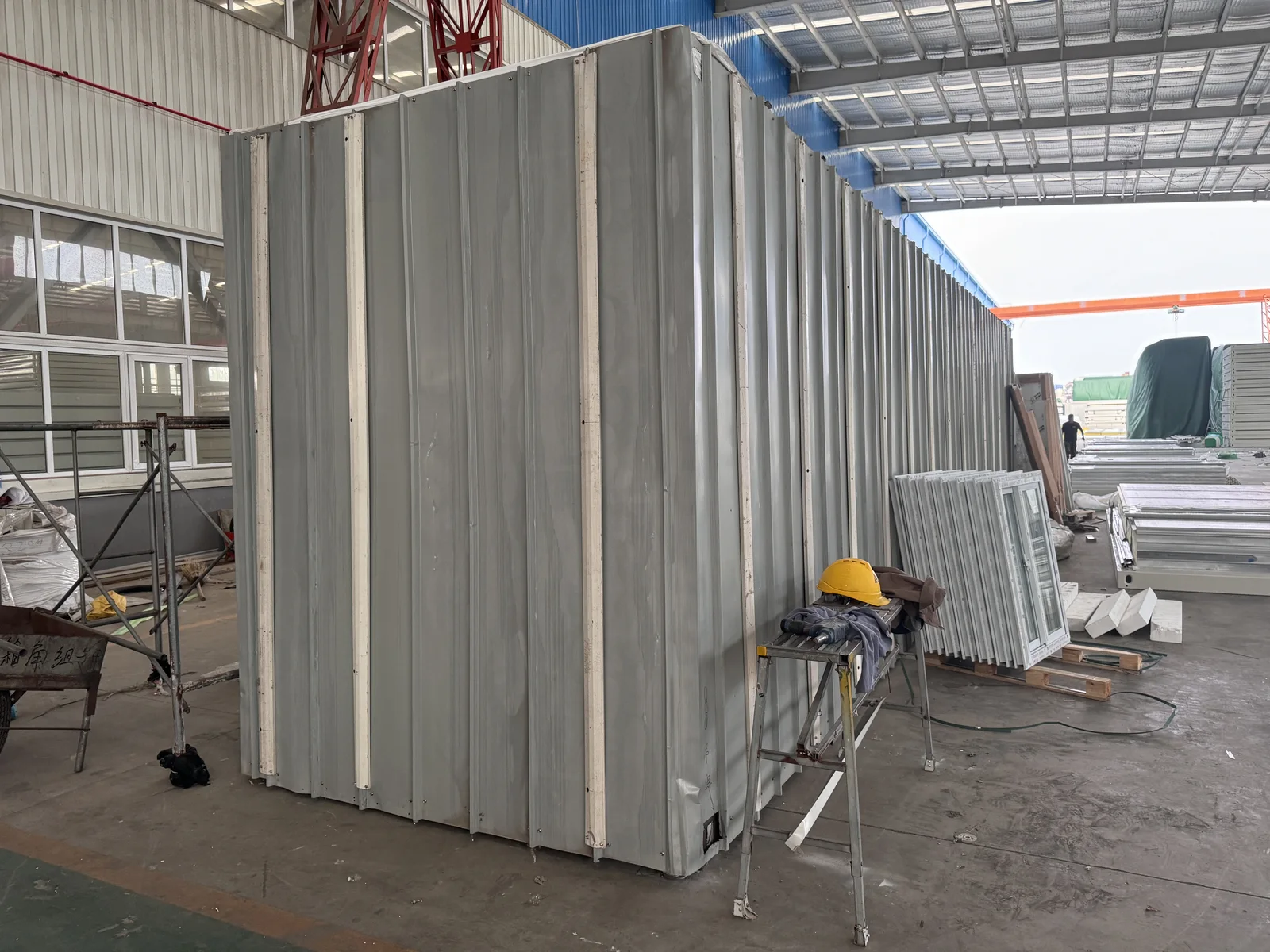
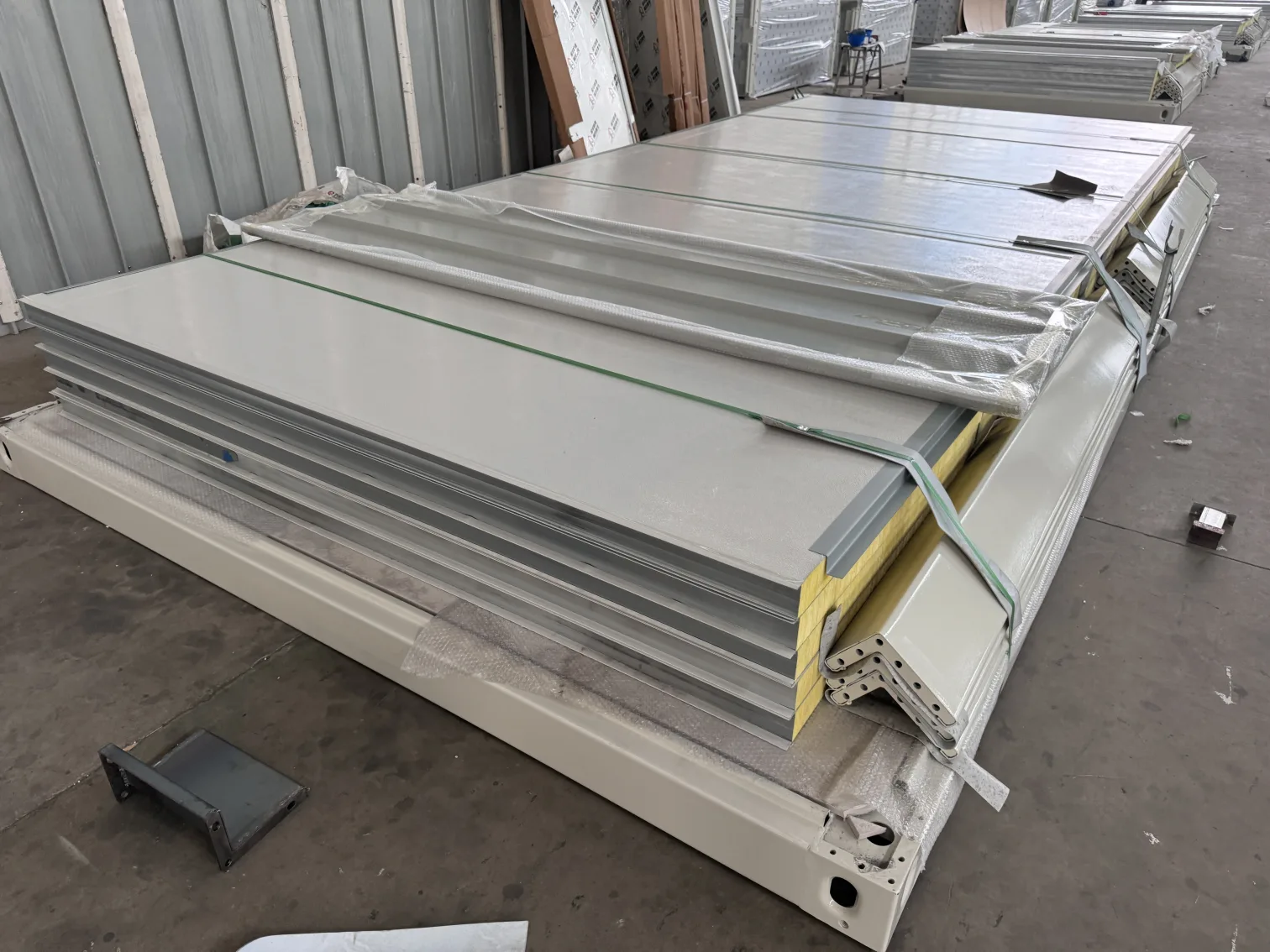
System selection should reflect how the goods will become usable buildings. KUBO’s flat-pack container building information describes factory-prepared roof, floor, frame and wall components that require destination assembly, sealing, anchorage and services. A sales partner therefore needs a credible assembly route even when the customer, rather than the partner, commissions that work.
The detachable flat-pack system provides another option for configuration and assembly review. It should be assessed against the proposed package and local capabilities, without assuming it is universally cheaper or a better business model. Either resale or project delivery may involve the same system.
KUBO describes documents, manuals and remote clarification within agreed scope. Those materials can support the local team’s understanding, but the partner still needs to identify who applies that information to the site. Detailed distinctions between concept information and construction documentation belong in the guide to preliminary camp layouts and final construction drawings.
Compare Contribution Before Being Impressed by Contract Value
The following hypothetical USD amounts demonstrate how added local delivery scope can change the commercial structure of an offer. They are illustrative rather than KUBO prices, market benchmarks, expected margins or profit forecasts. Both examples begin with the same hypothetical factory package, while the project offer carries higher customer revenue because it includes additional local delivery scope.
| Revenue or attributed cost | Resale offer | Project delivery offer |
|---|---|---|
| Customer sales revenue | $150,000 | $210,000 |
| Same factory package | $100,000 | $100,000 |
| Transport/import allowance | $15,000 | $15,000 |
| Local subcontracted works | Outside this partner offer | $45,000 |
| Sales/admin attribution | $5,000 | No separate amount in this simplified example |
| Project management allocation | No separate amount in this simplified example | $12,000 |
| Service reserve | $3,000 | $6,000 |
| Simplified contribution before excluded items | $27,000 | $32,000 |
Resale contribution: $150,000 − $100,000 − $15,000 − $5,000 − $3,000 = $27,000.
Project contribution: $210,000 − $100,000 − $15,000 − $45,000 − $12,000 − $6,000 = $32,000.
These are simplified contributions, not net profits. The illustration excludes tax/VAT, finance, foreign exchange, land, camp operations and all unlisted costs. The different overhead lines are deliberate simplifications, not evidence that either business avoids other administrative work. In an actual evaluation, capture the applicable costs for each offer and replace allowances with verified quoted obligations and confirmed tax treatment.
The resale column also does not represent the customer’s complete camp budget. Local work sits outside that partner’s offer and may still be purchased by the customer. This table evaluates the partner’s two businesses, rather than proving that resale is cheaper for the end buyer.
Read the Incremental Result
The project offer adds $60,000 of sales revenue but only $5,000 of contribution in this example. That additional contribution compensates the partner for a broader undertaking: coordinating local work, carrying a larger service provision and managing acceptance across more interfaces. Whether it is attractive depends on the team’s resources and the reliability of its local cost and delivery assumptions.
An established contractor may already have people who can estimate and manage the included work. A sales-led business may need to procure those capabilities and supervise unfamiliar subcontractors. The same apparent contribution can therefore have a different practical value to each business. Any additional cost not captured in the illustration would reduce the result.
Evaluate the service reserve against the offered obligation as well. Goods-related customer support and combined project defect coordination are different workloads. The illustrative reserves are analytical allowances, not KUBO warranty terms or evidence that either amount would cover a real project. A partner should describe the support it is pricing before selecting a reserve.
A workable outcome may be a narrower integrated offer. For example, the partner could assess assembly coordination while the customer retains separately appointed civil or utility work. That scope needs its own pricing and acceptance logic; it cannot simply inherit the full project’s revenue with its difficult obligations removed.
Check Cash Timing Separately from Contribution
A positive contribution does not show whether the partner can fund delivery. Cash leaves and arrives at different points, and customer receipts may depend on milestones beyond the date a supplier or subcontractor requires payment.
The distinction also matters when discussing delivery terms. The International Chamber of Commerce’s explanation of Incoterms and commercial contracts distinguishes goods-delivery obligations, risks and costs from matters such as payment timing, ownership and specifications. An Incoterms rule therefore does not establish the partner’s financing arrangement or replace the wider sale contract.
Assume the following independent cash positions immediately before a customer milestone receipt. These cumulative payments and receipts are invented inputs, not amounts derived from the contribution table and not standard payment terms.
| Cash measure | Resale offer | Project delivery offer |
|---|---|---|
| Cumulative amounts paid | $110,000 | $155,000 |
| Cumulative customer receipts | $90,000 | $105,000 |
| Cash gap at this checkpoint | $20,000 | $50,000 |
Checkpoint cash gap = max(cumulative amounts paid − cumulative customer receipts, 0). The resale gap is $110,000 − $90,000 = $20,000. The project gap is $155,000 − $105,000 = $50,000.
The project route therefore requires $30,000 more funding at this particular checkpoint while generating only $5,000 more illustrative contribution overall. Those figures answer different questions and should not be subtracted from each other as though the cash gap were another expense.
If $20,000 of the project’s assumed receipts slips beyond the checkpoint, receipts fall to $85,000 and the gap becomes $155,000 − $85,000 = $70,000. The paper contribution remains unchanged until extra costs or other commercial changes arise. The funding problem, however, already exists.
None of these gaps establishes the peak financing requirement. Identify that through a time-phased schedule of customer collections, factory payments, logistics spending, subcontractor payments and other applicable outflows. Mark the event required for each receipt, especially where customer work or third-party approval affects collection. If the funding requirement exceeds the partner’s capacity, consider a narrower offer, reassigned work or different expressly agreed milestones rather than assuming factory credit will bridge it.
Test Your First Offer Against Your Current Capabilities
The practical test for a first modular camp project is whether your team can turn a customer requirement into a priced, manageable promise. Three starting situations lead to different useful next steps.
You Have a Customer Opportunity but No Named Local Delivery Team
Build the initial offer around a supply boundary. Use the customer’s functional brief and a relevant configuration reference to discuss the building package with KUBO. Ask the customer to identify its installation contractor and local reviewer so that their interfaces can be coordinated before the package is treated as settled.
Your customer-facing output should explain the included goods, delivery endpoint and the questions assigned to that local team. This makes your commercial value visible through customer development and supply coordination. It also lets the customer assess the package without an unsupported promise that your business will deliver a functioning site.
You Already Deliver Local Building or Site Work
Prepare both versions of the offer using the same factory package assumption. Obtain scope-specific input from the people who would perform the local work, identify the engineer responsible for the relevant review and connect their activities to customer acceptance. Price the management effort as well as subcontracted tasks.
A modular camp project delivery partner should be able to explain what it controls directly and how it manages the remaining interfaces. Include site readiness, receiving access and utility dependencies in that explanation because they affect sequencing. The useful output is a combined scope and cash schedule that your delivery team recognizes as executable.
You Have a Market and Customer Network but No Active Project
Start with a representative offer for your actual customer type. Identify the camp functions those customers are likely to request, the building scope your team could sell and the local work it could realistically coordinate. Use available catalog and layout references to make that conversation specific without inventing a project pipeline.
A concise company and capability brief is enough to begin discussing product fit. Detailed project drawings become useful when a real opportunity supplies the missing site and operating requirements. This approach allows a prospective partner to explore a modular camp distribution scope while keeping its proposed business grounded in identifiable customers and resources.
Procurement FAQs
What If the Customer Replaces Its Site Contractor After the Package Is Agreed?
Check the affected interfaces before treating the replacement as an administrative change. The incoming contractor needs the current package information, the recorded assumptions and any unresolved site questions. Ask it to identify differences in its intended assembly or service arrangements. If those differences require a factory change, separate that change from work already agreed and assess its commercial effect. The partner’s role is to maintain a usable handoff between the existing supply decision and the new local team.
Can One Business Offer Both Resale and Project Delivery?
Yes, as alternative offers with distinct scopes and cost assumptions. A capable contractor may still make a supply-only sale to a customer with its own delivery team. Conversely, an established reseller may develop a project route for opportunities supported by qualified local resources. Keep customer-facing acceptance conditions separate and review each opportunity on its own economics. Experience selling buildings should not automatically be counted as experience controlling site delivery.
How Should a Customer’s Future Relocation Plan Affect the Initial Offer?
Distinguish discussion of a building’s intended future use from a commitment to perform that future work. If the customer expects dismantling, transport, reinstallation or later maintenance support, establish whether your business is pricing those services now, discussing them provisionally or leaving them outside the offer. Product selection and documentation can then be reviewed against that intention. Do not assume the original local team, destination conditions or service costs will remain available for a later move.
Discuss the Business Your Team Is Ready to Deliver
For a modular camp resale vs project delivery discussion, bring four essentials: your company, target market or customer type, proposed resale or project role, and local capabilities or current opportunity. These inputs help connect a commercial ambition with a suitable product and support conversation.
Discuss Your Camp Distribution Business with KUBO and outline the first offer you want to make. An early enquiry can be concise; detailed drawings can follow as the opportunity develops. First-order arrangements, authorization, exclusivity, credit and order-specific lead times remain matters for commercial confirmation.
Related Planning Guides
- Buying Modular Buildings for a Rental Fleet — for operators standardising owned rental assets across different customer briefs.
- Workforce Camp Buying Checklist — for the end buyer’s supplier qualification and award decision.
- Preliminary Camp Layouts vs Final Construction Drawings — for understanding how concept information differs from construction documentation.
Sources and References
- KUBO Dealer and Distributor Partnership — published cooperation scope, support boundaries and enquiry route.
- KUBO Flat-Pack Container House — factory component supply and destination assembly considerations.
- KUBO Detachable Flat-Pack Container — alternative system information for configuration review.
- KUBO Dealer & Distributor Partnership Pack 2026 — representative concept layouts and factory/local role references.
- International Trade Administration: Choosing a Foreign Representative — general evaluation considerations for market coverage and service capability.
- International Chamber of Commerce: Incoterms 2020 and Commercial Contracts — the scope and limitations of Incoterms rules within a sale contract.